
Wedding Officiant Cost in Chicago: What Couples Should Really Budget (and Why It Matters)
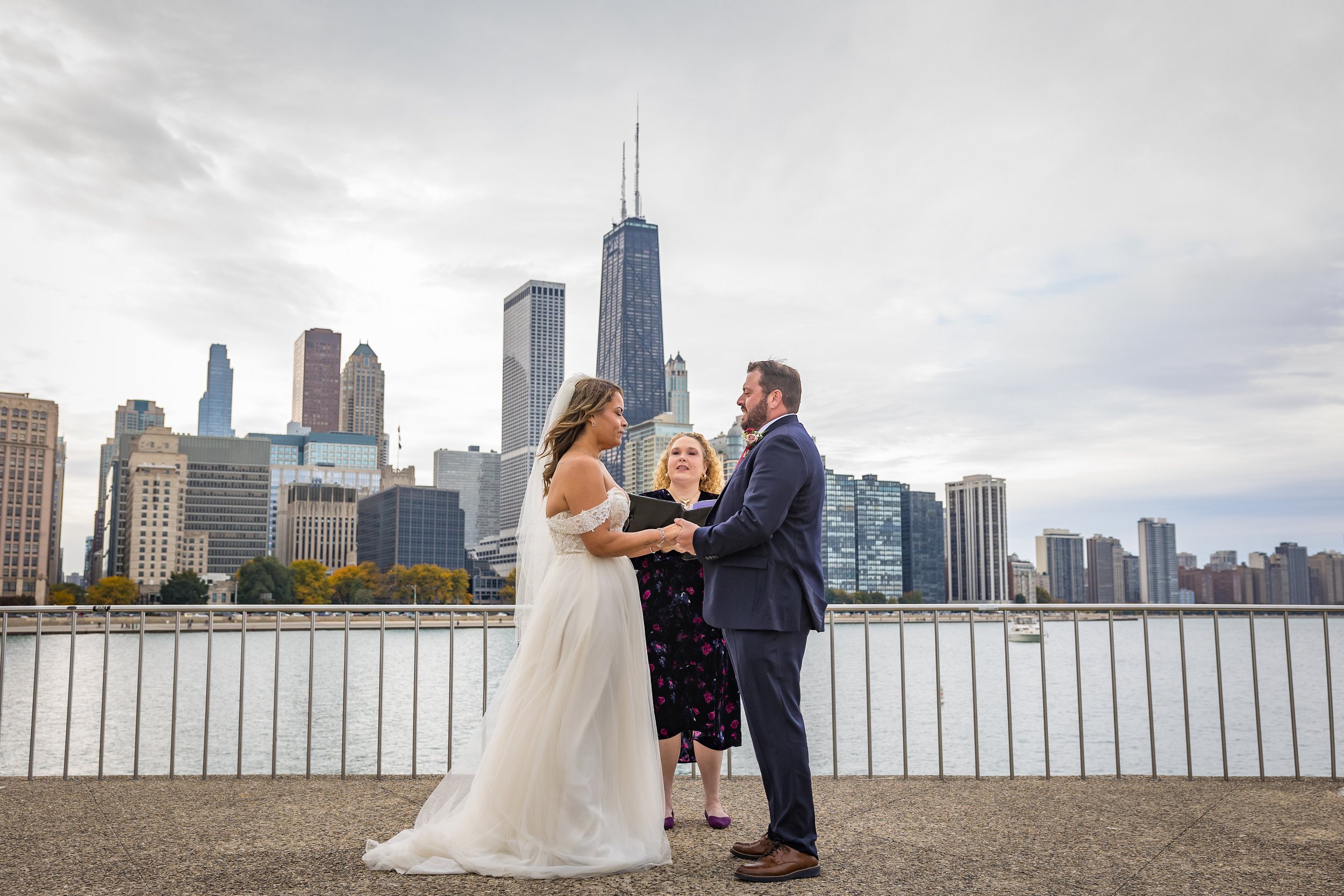
Photograph thanks to Elope to Chicago
When couples begin planning their wedding, there’s one question that comes up again and again:
How much does a wedding officiant cost in Chicago?
And while that’s a fair place to start, it’s rarely the right place to stop.
As a professional wedding officiant in Chicago, I’ve learned that couples aren’t just asking about numbers. They’re really asking:
What am I paying for?
Why does pricing vary so widely?
How do I know what level of service is right for us?
This guide is here to answer those questions clearly, honestly, and without pressure — so you can budget with confidence and intention.
What Impacts the Cost of a Wedding Officiant in Chicago?
Wedding officiant pricing in Chicago varies widely because the role itself varies widely.
Before looking at numbers, it helps to understand what actually goes into the service.
Some officiants:
Use the same script for every ceremony
Offer one consultation
Show up on the wedding day, perform the ceremony, and leave
Others:
Custom write every ceremony from scratch
Spend hours getting to know the couple
Guide them through legal steps
Coordinate with planners and vendors
Provide support before, during, and after the wedding
Neither approach is inherently “right” or “wrong”, but they are very different experiences, and the pricing reflects that.
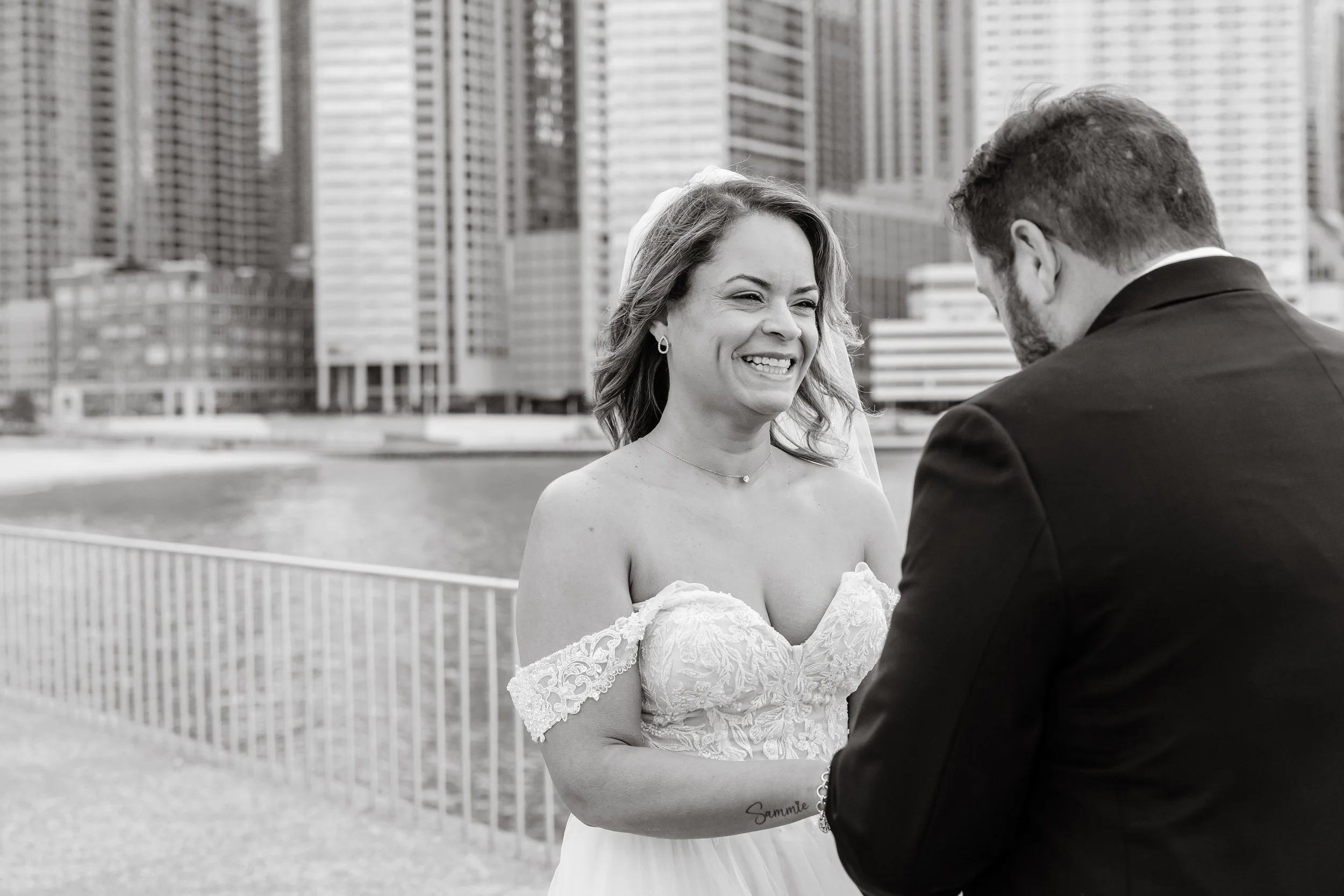
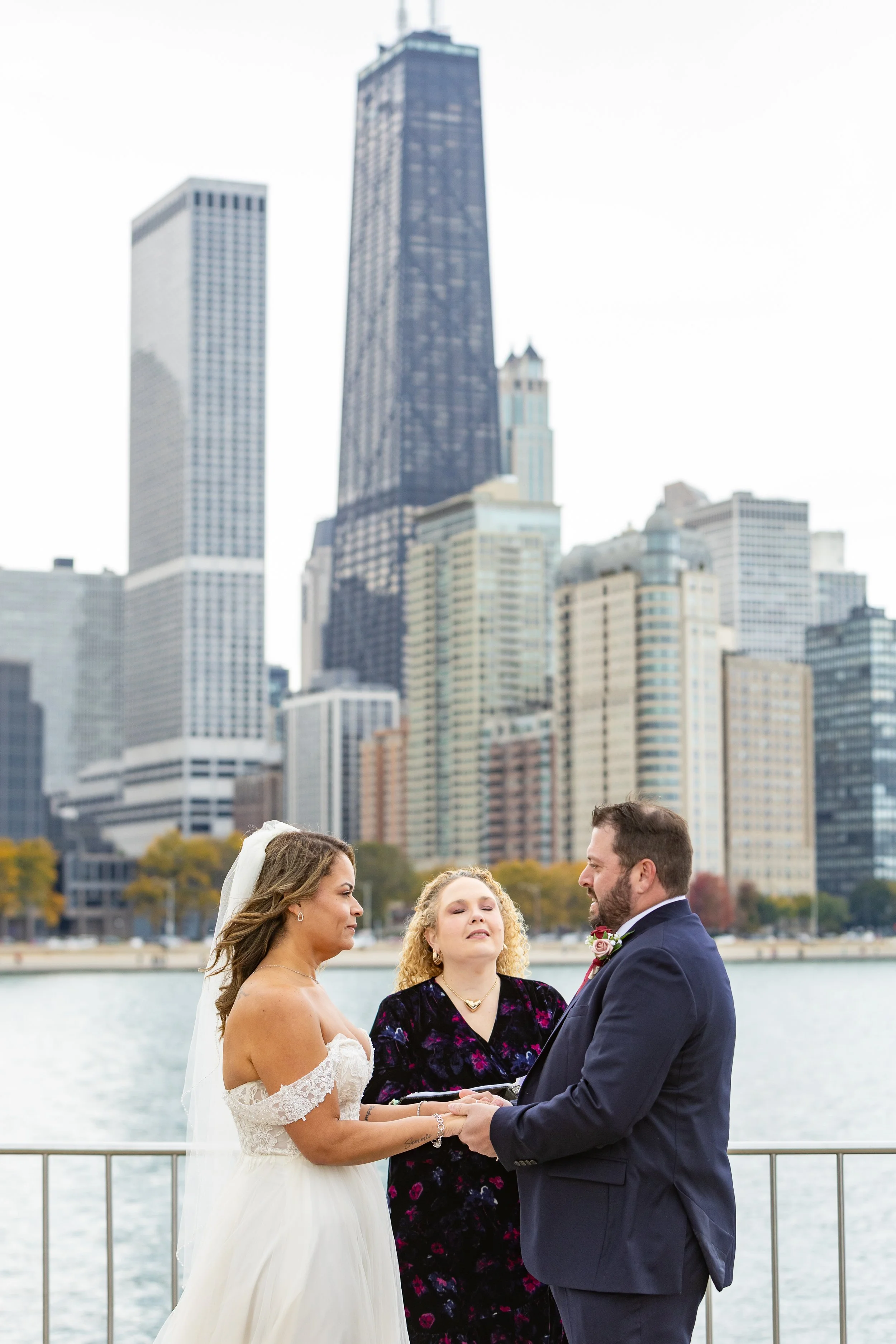
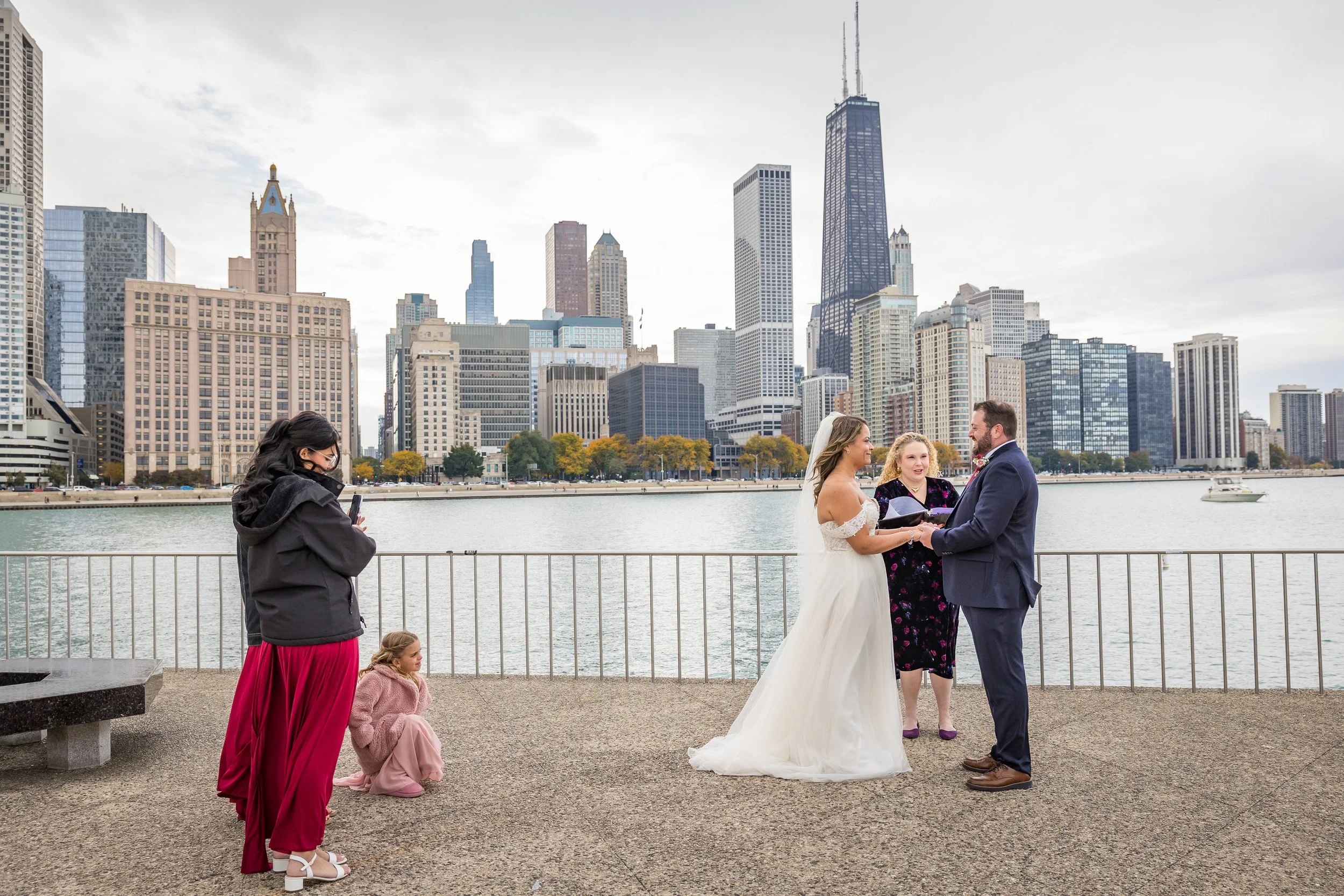
Photograph by Elope to Chicago
Types of Wedding Officiants Couples Encounter in Chicago
Most couples exploring Chicago wedding officiant services will come across one (or more) of the following options:
Friend or Family Member
This has become increasingly popular, and it can be meaningful. But in recent years, I’ve also stepped in as a backup officiant more times than I can count — when a loved one couldn’t travel, had a health emergency, ran into visa issues, or simply got cold feet.
A professional officiant typically has backup systems and colleagues in place — something most friends and family members don’t have.
Courthouse or Judge-Led Ceremonies
There is no Justice of the Peace in Cook County. Courthouse ceremonies are performed by judges and are civil, brief, and procedural. For some couples, this is exactly what they want — and that choice is completely valid.
Religious Clergy
Many couples choose clergy when faith is central to their lives. Others opt out when they come from different religious backgrounds, no longer practice, or want a ceremony that reflects shared values rather than doctrine.
Professional Non-Denominational Officiants / Celebrants
Celebrants are trained in ceremony structure, pacing, storytelling, and guest engagement. Many of us also specialize in multicultural and fusion weddings, where multiple traditions are honored thoughtfully and respectfully.
Basic Ceremony vs. Custom Ceremony: What’s the Difference?
A basic ceremony often includes:
A brief welcome
Minimal acknowledgment of guests or family
Traditional “I do” declarations
A simple ring exchange
Pronouncement and kiss
It’s efficient, legally valid, and similar to a courthouse-style ceremony.
A custom ceremony, on the other hand, can include:
A warm, intentional welcome that acknowledges guests and loved ones
Honoring those who aren’t present
Grounding the moment by acknowledging the space or setting
A love story that shares why you’re choosing each other
Personalized vows or vow guidance
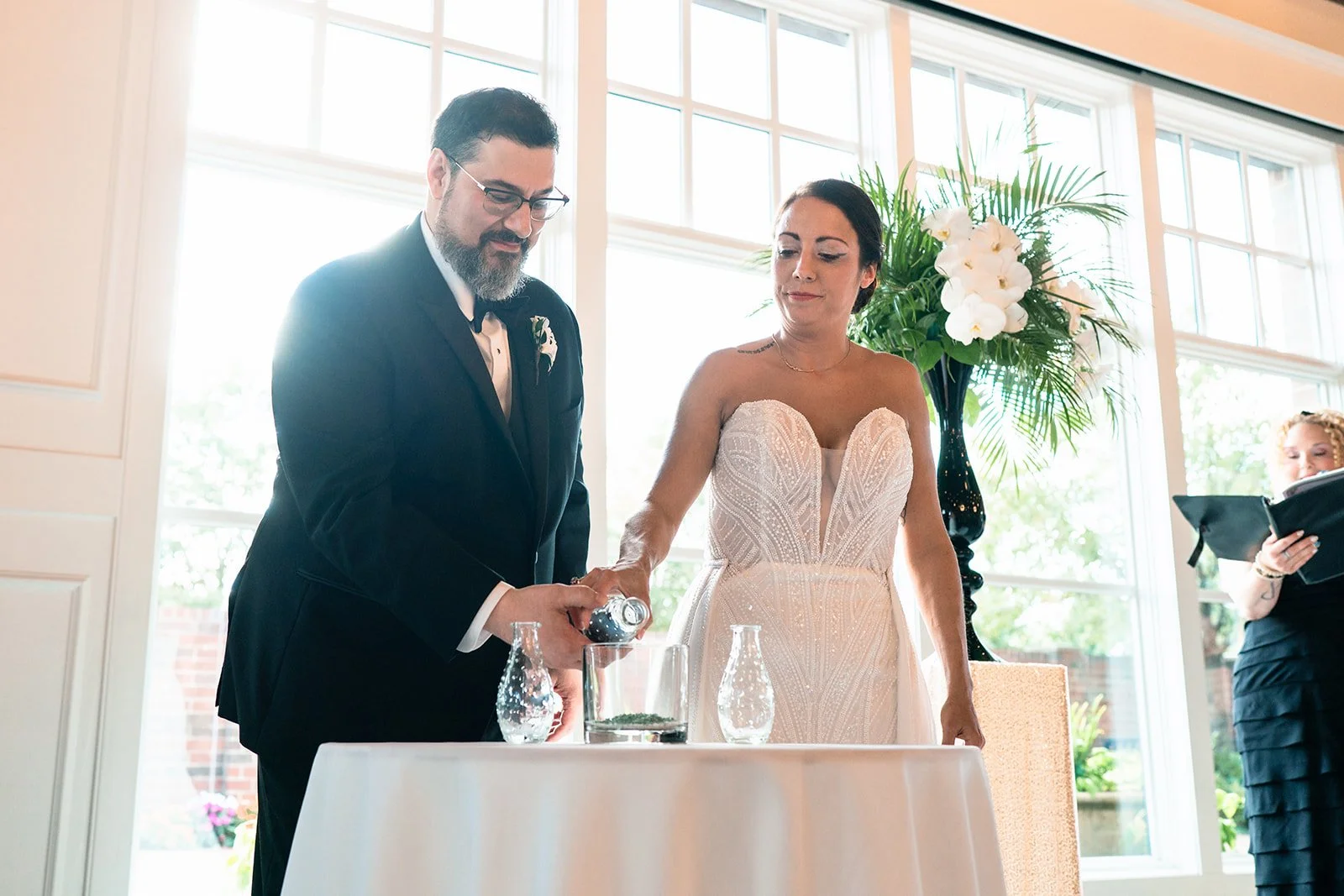
A unity ritual (traditional or creative)
Thoughtful pacing that keeps guests engaged
From my perspective, the ceremony is the emotional anchor of the wedding day. It sets the tone for everything that follows.
Photograph by Becky Brown Photography
Levels of Wedding Officiant Services in Chicago
In Chicago, officiant services typically fall into a few categories:
Elopements & Micro Weddings
Smaller guest counts, streamlined logistics, but still deeply meaningful when handled with care.
Full Custom Weddings
From 50 guests to several hundred (and yes — I’ve officiated weddings with over 700 guests). These require strong presence, clear pacing, and confidence in front of a crowd.
Multicultural & Fusion Ceremonies
These often involve:
Multiple planning calls
Cultural research
Family conversations
Balancing traditions and expectations
Sometimes coordinating with clergy from another tradition
Because of the complexity, these ceremonies often require a larger investment of time and expertise.
Rehearsals
Often added on to ensure everyone feels confident, grounded, and aligned before the wedding day.
Ceremony Writing & Coaching
For couples who want a friend or family member to officiate, but still want a professional-level ceremony. This can include coaching, full custom writing, or both.
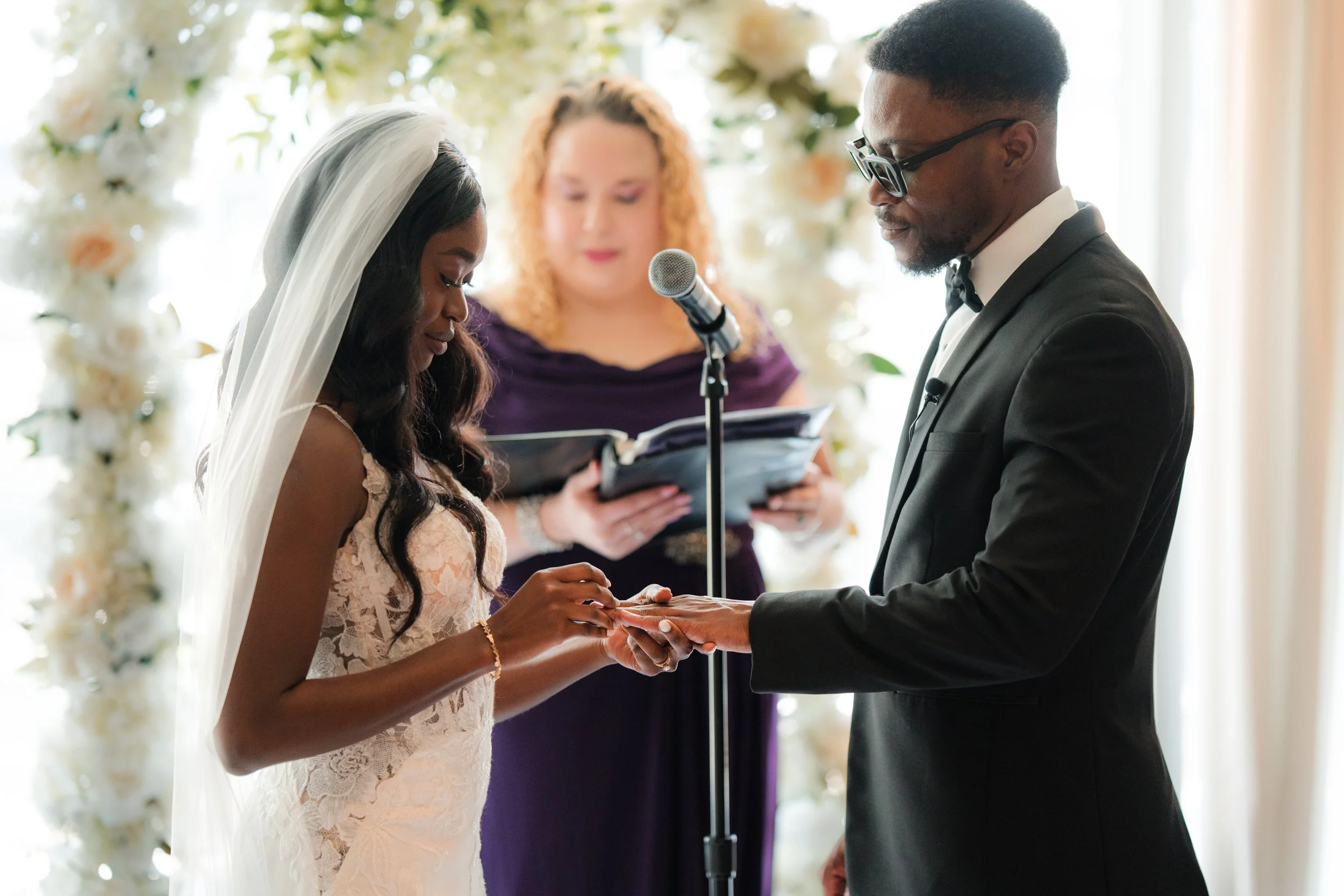
So… How Much Does a Wedding Officiant Cost in Chicago?
Based on my experience, a realistic budget range for Chicago couples is:
For Full Size Weddings:
$750–$1,000: Newer officiants or more basic services
$1,000–$2,000: Experienced professional officiants offering custom ceremonies (this is where many of the best Chicago officiants fall)
$2,000–$3,600+: High-end, specialty, multicultural, fusion, or destination services
For Elopements and Micro Weddings:
$350–$750: Newer officiants or more basic services
$600–$1,200: Experienced professional officiants offering custom ceremonies (this is where many of the best Chicago officiants fall)
$1,200–$2,000+: High-end, specialty, multicultural, fusion, or destination services
Most couples don’t need the highest-end option, but most do want more than a $200 paperwork signing.
In the the context of an overall wedding budget, an officiant is often .05% to 5% of total costs - yet responsible for the moment that makes the wedding a wedding.
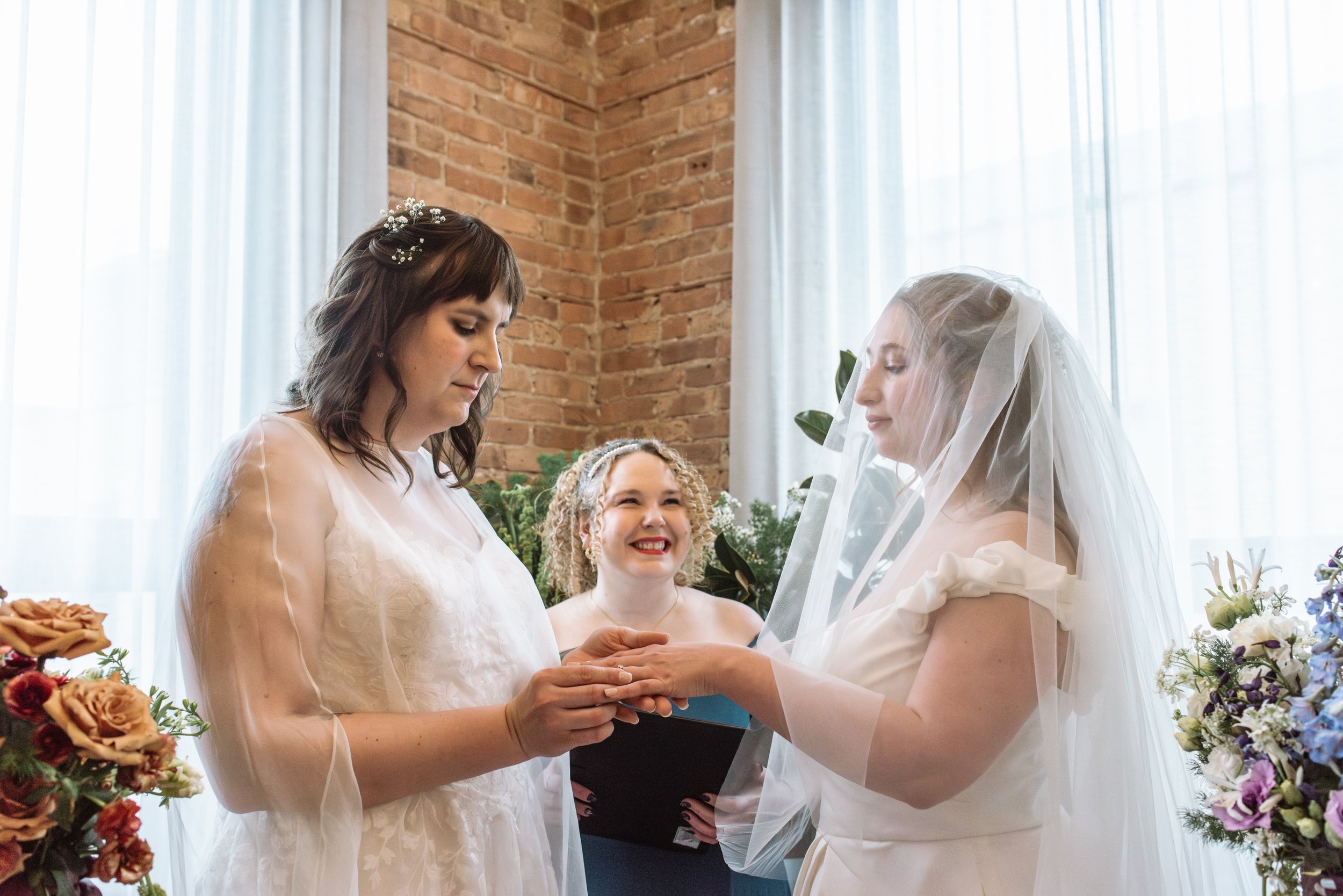
Photograph by Mei Lin Barral Photography
Common Misconceptions About Wedding Officiants
One of the biggest misconceptions is that officiants “just show up and talk.”
In reality, the work often includes:
Reading and analyzing detailed questionnaires
Writing and revising a custom ceremony
Consultations and follow-up communication
Coordinating with planners, DJs, photographers, and videographers
Arriving early on the wedding day
Handling legal responsibilities before and after the ceremony
There’s also ongoing professional development, wardrobe considerations, and behind-the-scenes coordination — all so the experience feels seamless for the couple.
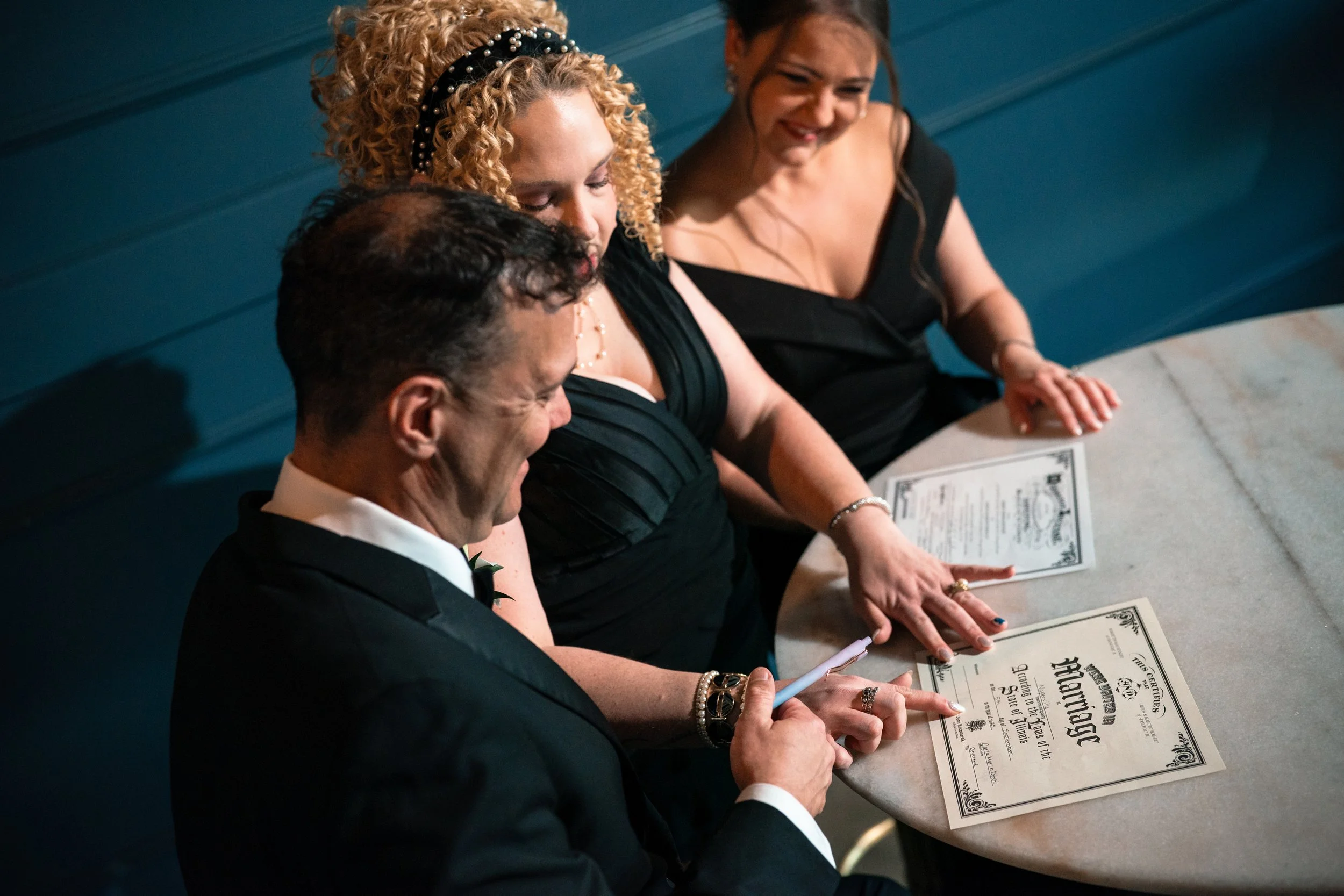
Photograph by Lin Bros Studio
Legal Requirements: What Couples Need to Know in Cook County
The good news? Cook County is one of the easiest places in the country to get married.
In short:
Both partners apply together
Valid ID is required
$60 fee (cash; processing fee if paying by card)
A 24-hour waiting period after pickup
The license is valid for 60 days
It must be returned within 10 days after the ceremony
One important thing couples often overlook:
Who returns the marriage license, and how?
Experienced officiants guide couples through the process and often hand-deliver the license or send it via tracked mail — ensuring it’s properly filed.
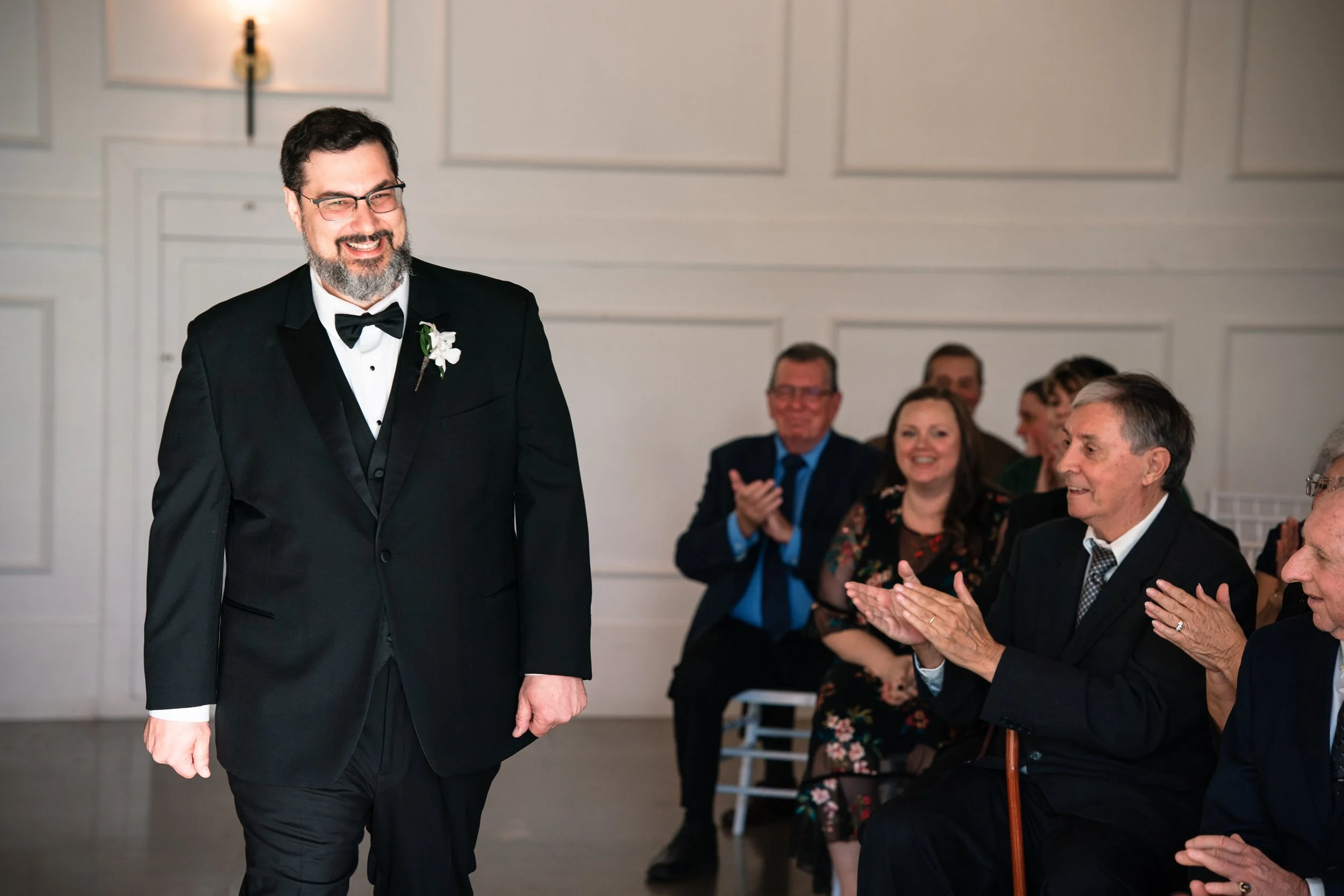
Is Hiring a Professional Wedding Officiant Worth It?
For some couples, it never clicks — and that’s okay.
But for others, it clicks when they realize:
This is a once-in-a-lifetime threshold
The ceremony deserves intention, not improvisation
They want to feel seen, represented, and grounded
They want someone who has their back on wedding day
I’ve had many couples tell me afterward that they didn’t expect the ceremony to be the most meaningful part of their day — and then it was.
That’s why I do this work.
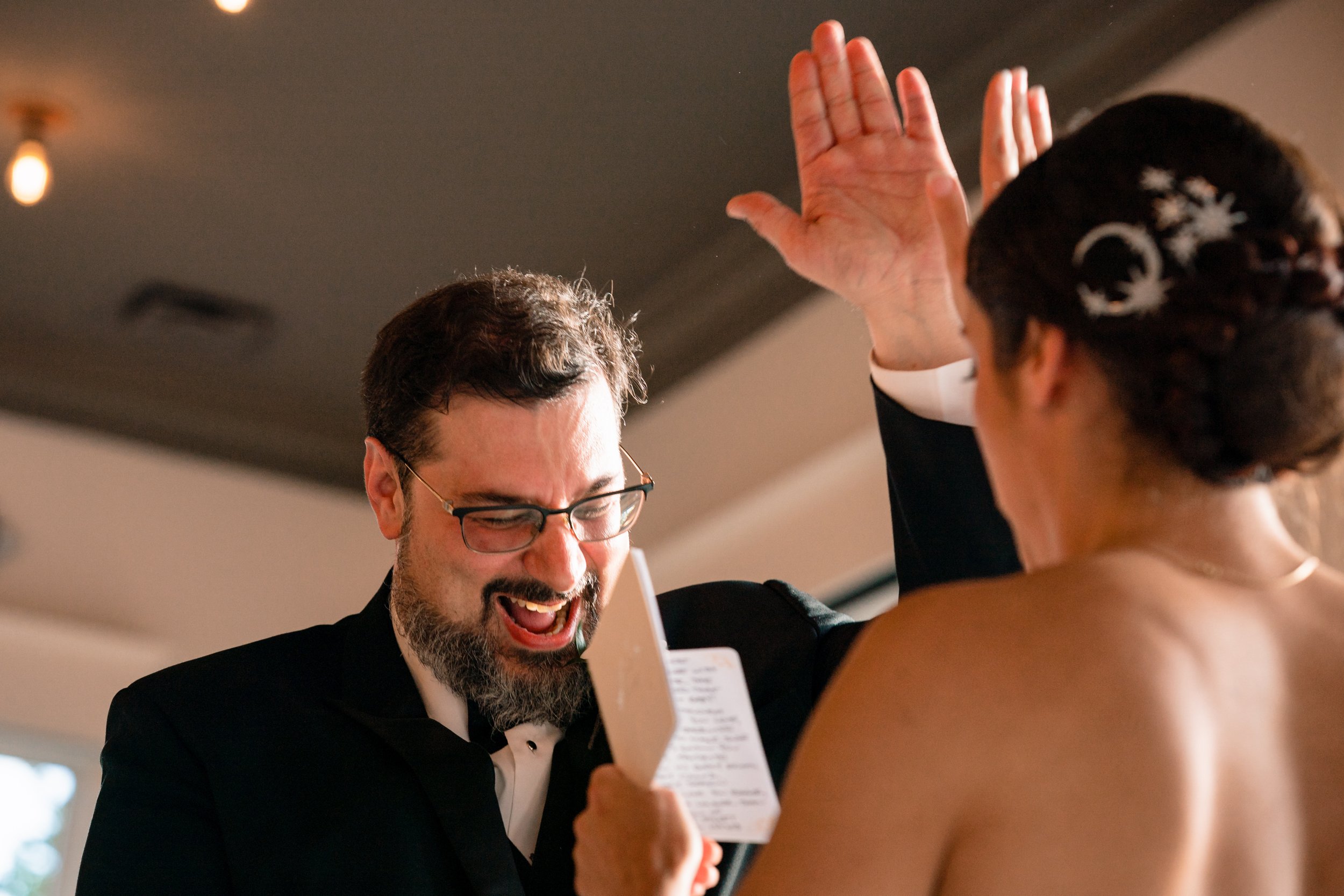
Photograph by Lin Bros Studio
Who Benefits Most from a Professional Officiant?
Couples who benefit most are those who want:
A ceremony that feels like them
A guide through unfamiliar territory
Support balancing traditions or backgrounds
A moment they’ll remember long after the party ends
They aren’t just planning a wedding, they’re marking the beginning of a marriage.
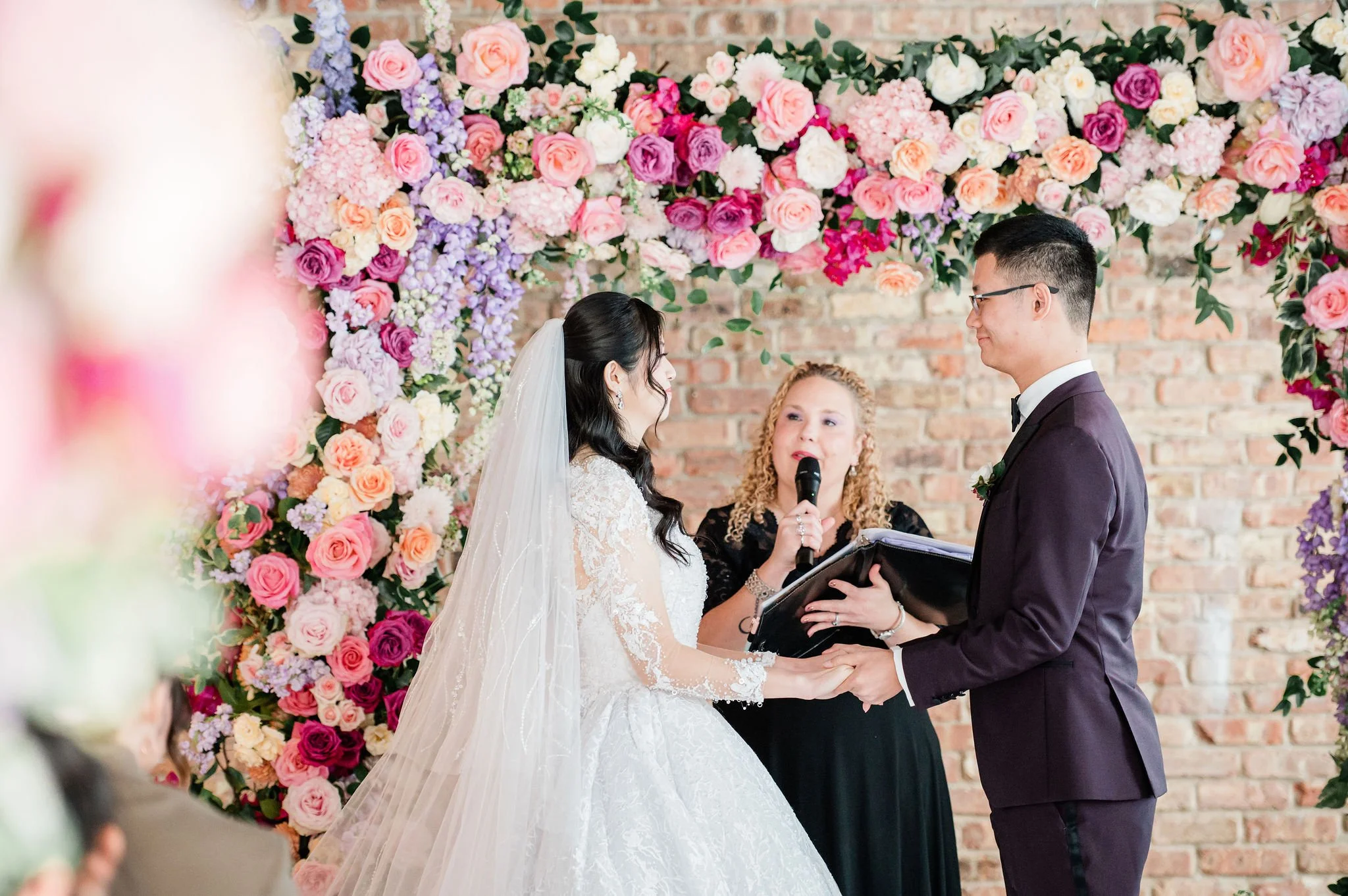
Photographs thanks to Anamaria Vieru Photography
The Most Important Takeaway
If there’s one thing I hope couples remember, it’s this:
The ceremony should never be an afterthought.
Without a ceremony — without someone to marry you — it’s just a party.
As you budget, take time to meet with officiants, compare services, and understand what resonates with you. Set aside space in your budget for someone who will honor your story, your values, and the moment that changes everything.
On the day you make it forever, make it incredible.
