What 15 Years Behind the Camera Taught Me About Standing at the Altar
After spending fifteen years as a professional wedding photographer, I discovered that the lessons I learned behind the camera transformed the way I officiate weddings today. As a Chicago wedding officiant, I've found that the most meaningful ceremonies aren't built around scripts—they're built around stories, presence, and helping couples truly experience one of the most important moments of their lives.
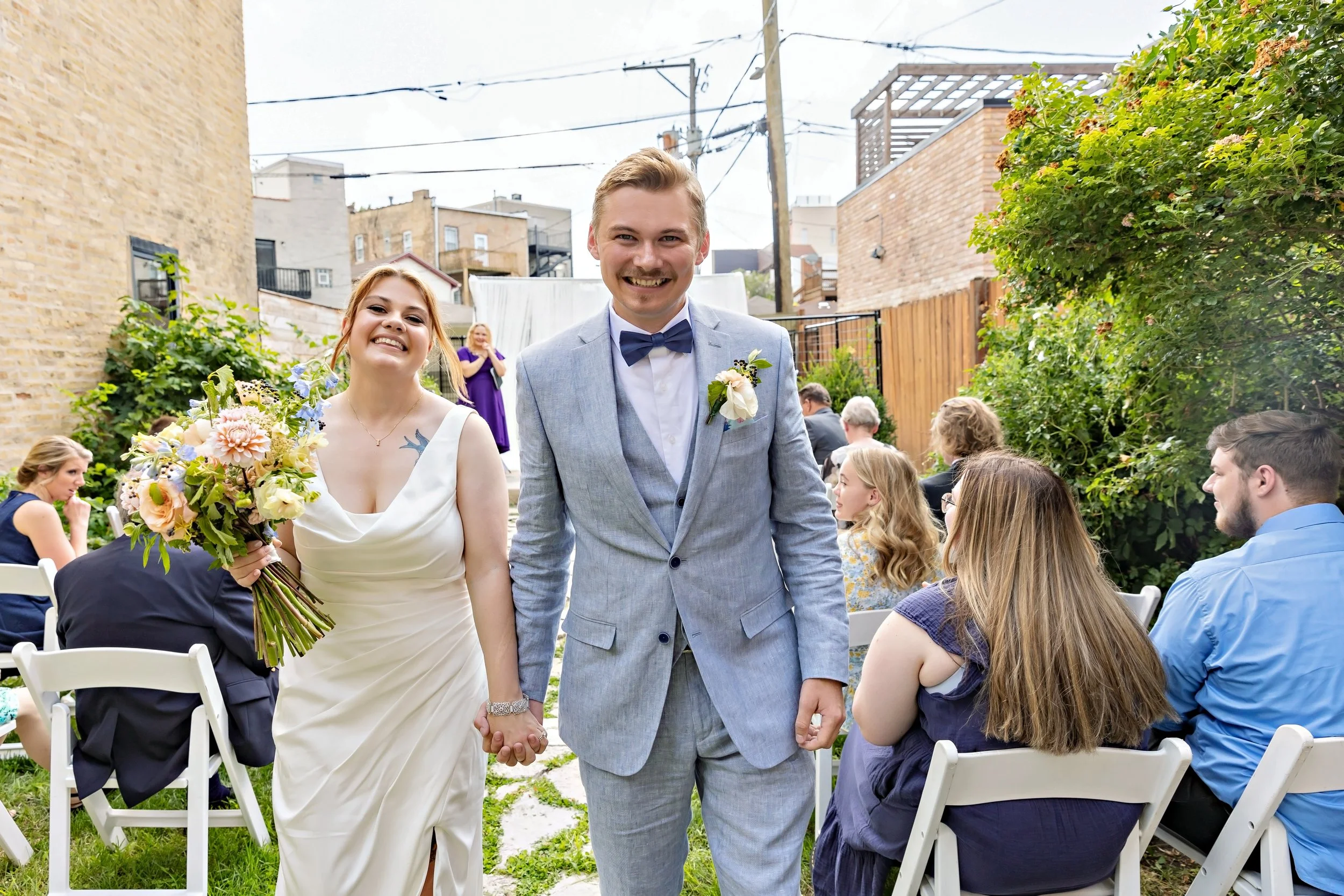
For over fifteen years, I had one of the best seats in the house.
Not because I was a guest. Because I was behind the camera. (Still very much a Canon girl!)
Long before I became a full-time Chicago wedding officiant, I spent more than fifteen years photographing weddings throughout Chicagoland, Florida's Gulf Coast, and destinations around the world. Today, those years behind the camera continue to shape every custom wedding ceremony I create.Weekend after weekend, I witnessed couples promise forever to one another in amazing Chicagoland venues, on the white sandy beaches of the Gulf Coast and my favorite St. Pete Beach, and destinations world-wide. I watched parents fight back tears, wedding parties burst into laughter, and guests lean forward because they did not want to miss a single word.
Looking back now, I realize I was doing more than photographing weddings, elopements and vow renewals. I was quietly studying them.
I saw beautiful ceremonies that felt personal, joyful, and completely true to the couple. I watched professional officiants create moments that brought an entire room together. I saw ceremonies where guests laughed, cried, and felt like they had been invited into the heart of the couple's relationship.
Those ceremonies stayed with me. But I also saw the other side.
I witnessed ceremonies that felt generic or disconnected from the couple. I saw friends and family members step into the role of officiant without enough time, guidance, or preparation. Sometimes a script had been pulled from the internet the morning of the wedding. Sometimes the couple had never been given an opportunity to read it before standing in front of everyone they loved.
I also heard comments that did not reflect the couple, their relationship, or the people gathered around them. I watched guests exchange uncomfortable glances. I saw couples smile politely through words that did not feel like their own story.
Those ceremonies stayed with me too.
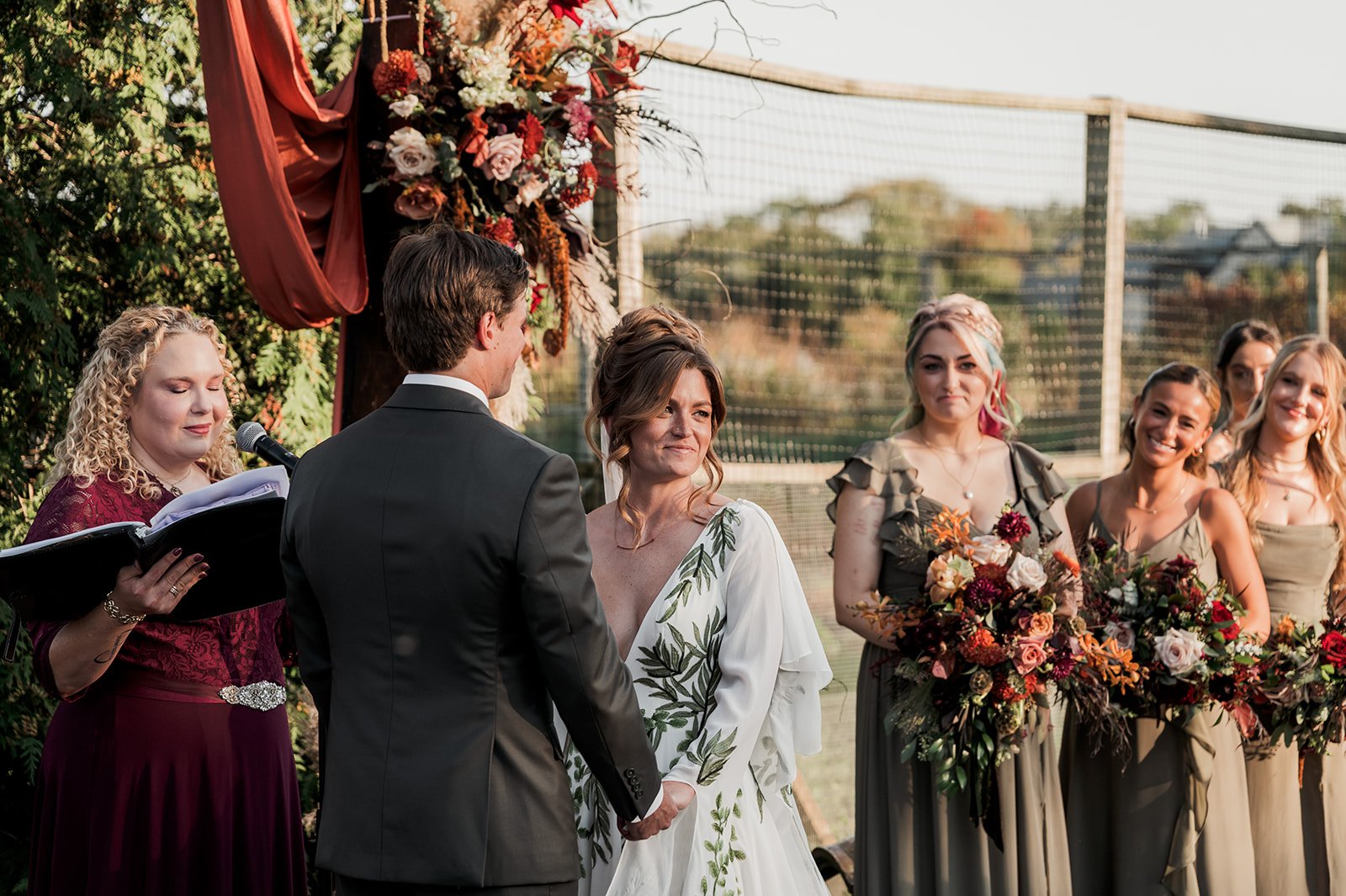
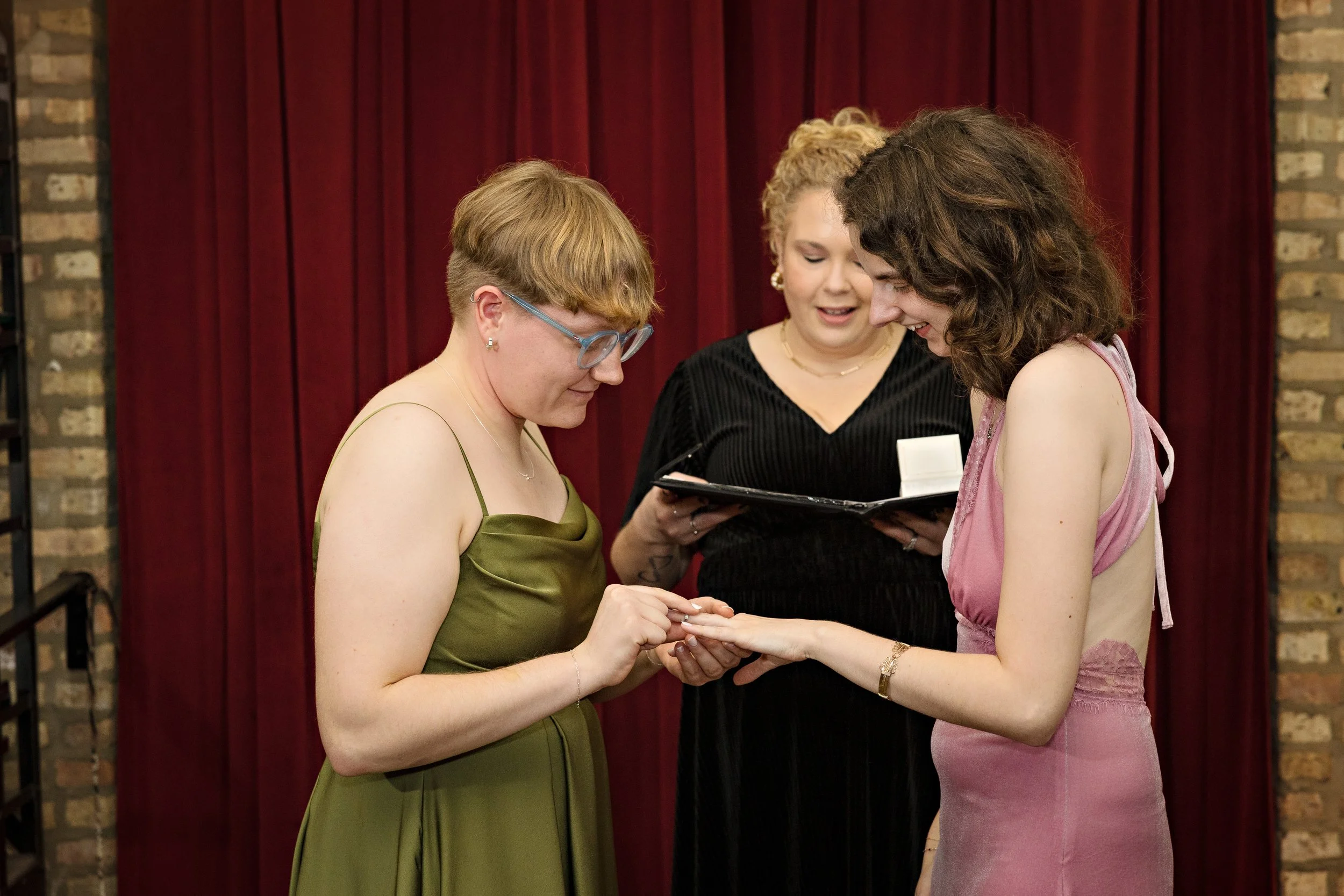
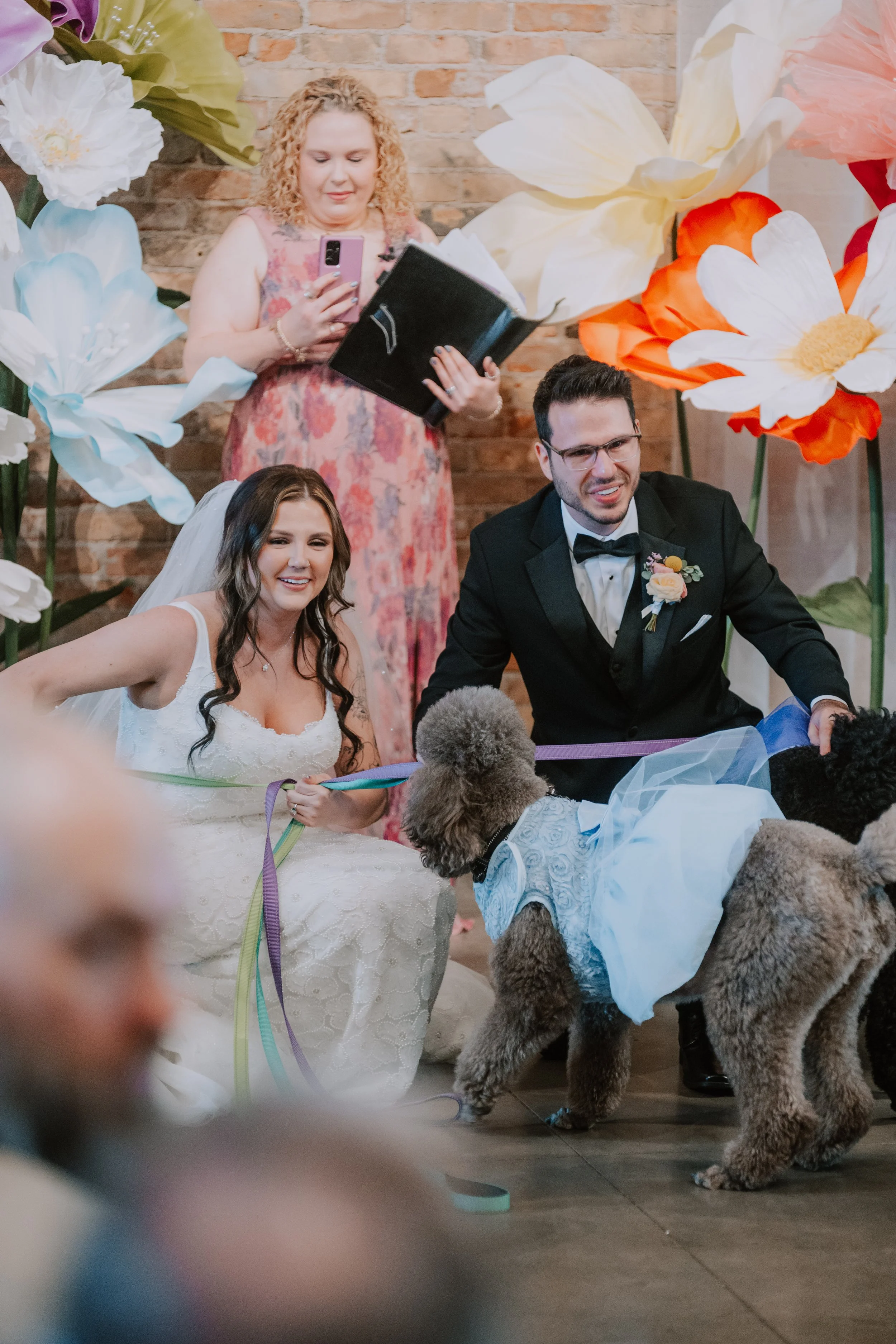
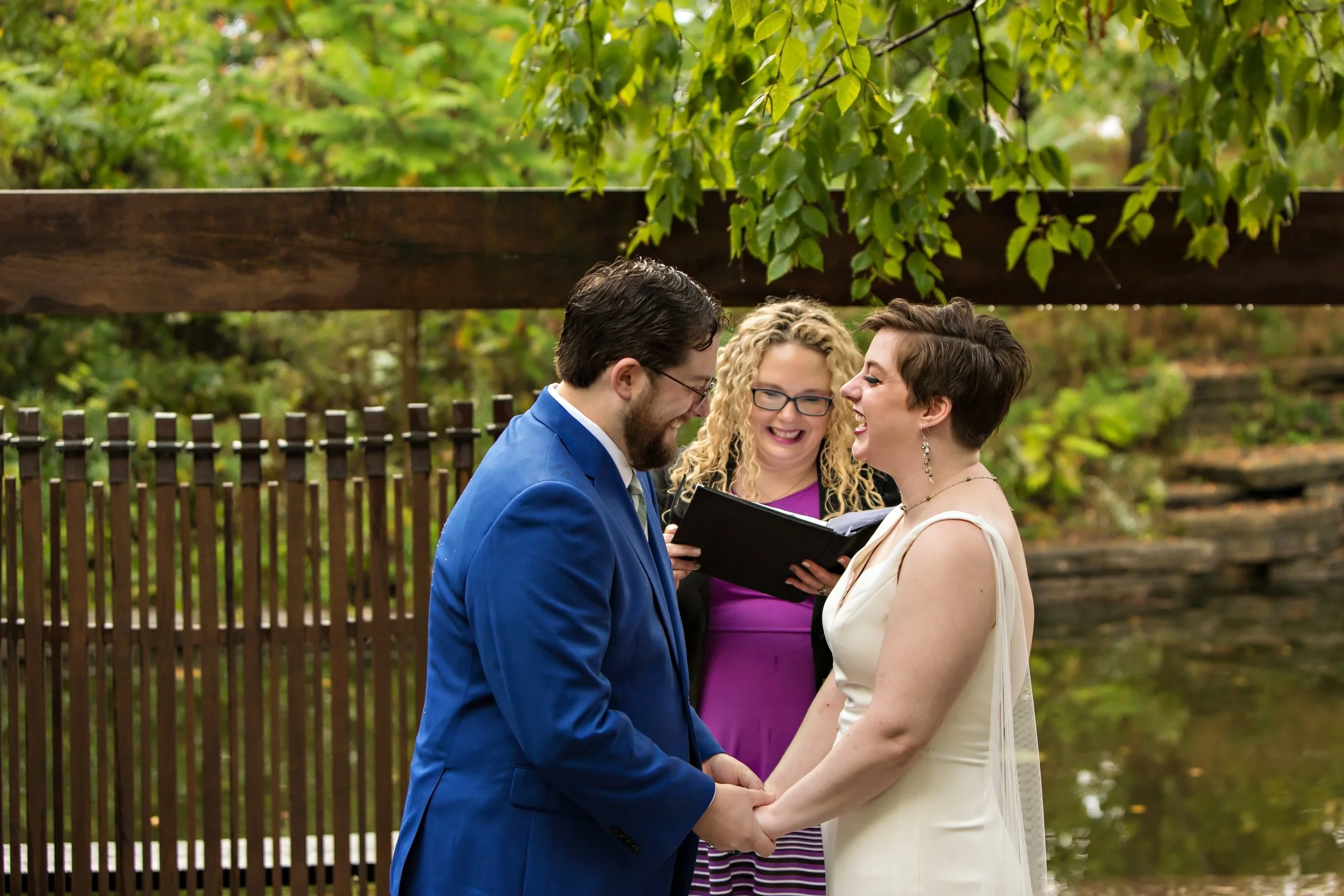
Photography by Paper Antler
Carla Doshi officiating a personalized wedding ceremony in Chicago after a 15-year career as a professional wedding photographer.
The Ceremony I Never Forgot: The Moment I Saw the Power of a Wedding Ceremony
One ceremony in particular has stayed with me for years.
It was a beautiful Florida Beach wedding. The setting felt relaxed, joyful, and full of light. Every detail reflected the couple's vision for their day.
Before the ceremony even began, the bride quietly leaned over and whispered that the officiant's attire wasn't at all what they had envisioned.
That small moment stayed with me.
It wasn't about whether the attire was right or wrong. It was a reminder that every person standing at the front of the ceremony becomes part of the couple's story. The flowers, the backdrop, the music, the décor, and yes, even the officiant, all contribute to the feeling of the day and the memories that will live on in their photographs.
But what stayed with me even more than that was what happened next.
Instead of focusing on the couple's love, the life they were building together, or the promises they were about to make, much of the ceremony centered around divorce statistics and how many marriages don't last.
The atmosphere shifted almost immediately. You could feel the joy give way to discomfort.
Guests exchanged uncertain glances. The couple's smiles softened. A moment that should have felt hopeful and full of possibility suddenly carried a heaviness that didn't reflect who they were or what they were celebrating.
As the photographer, there was nothing I could do.
I could preserve the moment, but I couldn't change it.
I remember thinking, This moment matters too much to feel like this.
Years later, when I became an officiant, I carried those lessons with me.
I realized that every decision an officiant makes, from the words they choose to the way they present themselves, should support the couple's vision rather than compete with it.
Today, before I begin writing a personalized wedding ceremony, I ask every couple how they want their wedding to feel. Romantic? Joyful? Lighthearted? Elegant? Deeply personal? I also ask about the overall style of their celebration because I believe my role extends beyond delivering the ceremony. I become part of the experience they have carefully created.
When I stand beside a couple, my goal is never to draw attention to myself.
It's to help tell their story in a way that feels authentic, intentional, and unmistakably theirs.
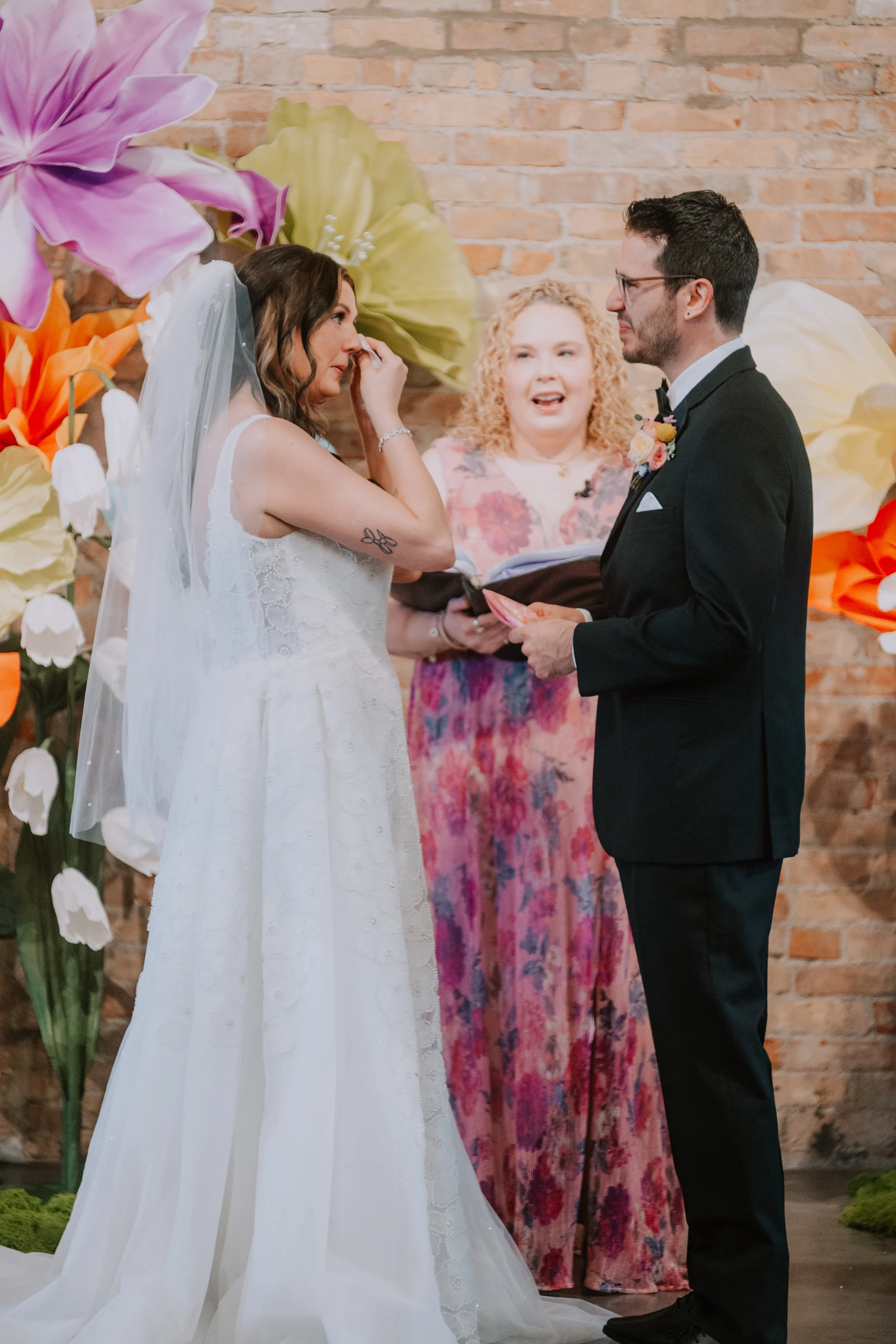
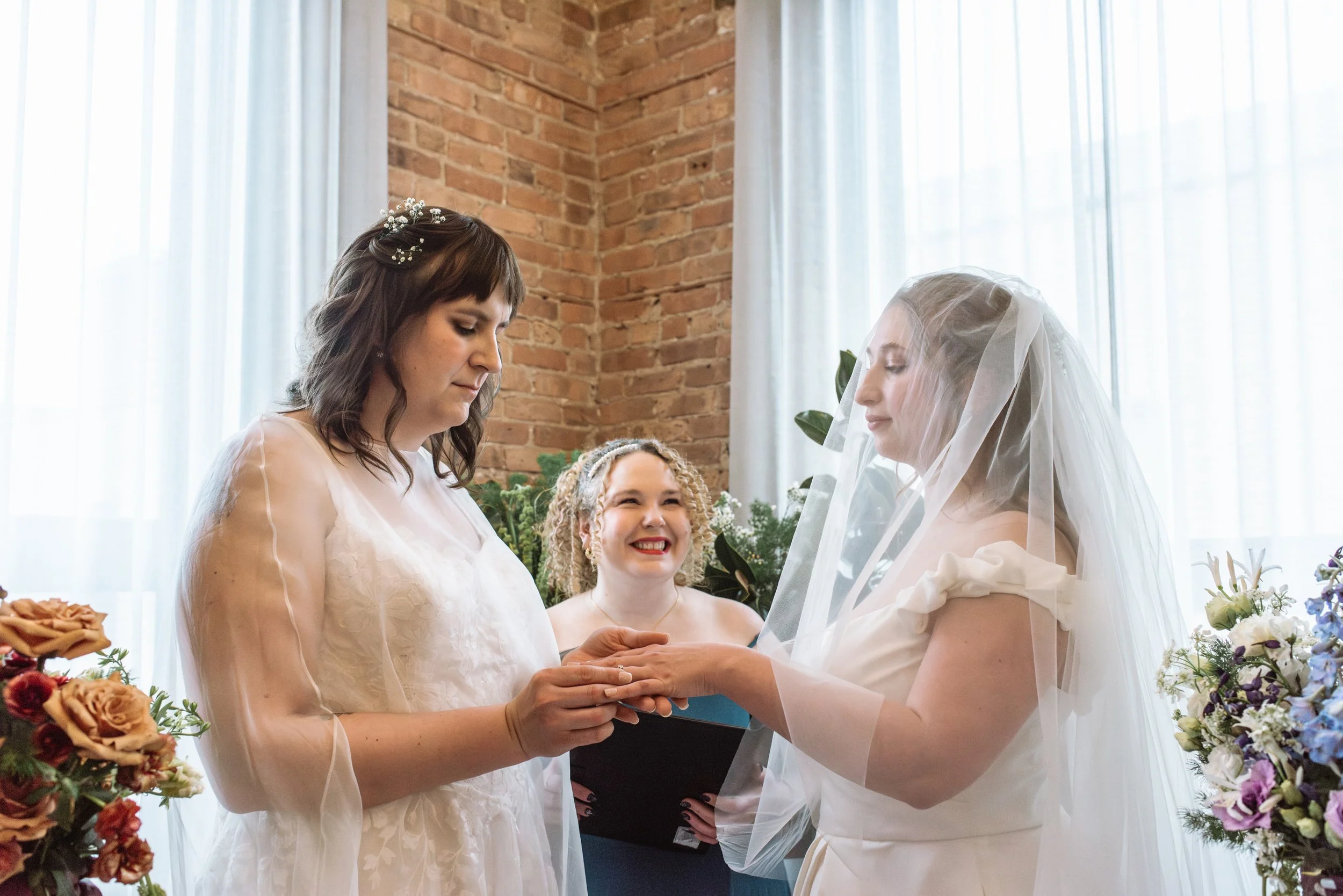
Life Had a Different Place for Me IN THE WEDDING INDUSTRY - From Wedding Photographer to Chicago Wedding Officiant
People sometimes ask if I miss being a wedding photographer.
The honest answer is yes, sometimes I do.
There is something magical about preserving a fraction of a second that a couple may not even realize happened. A parent wiping away a tear. A grandmother laughing during the vows. Two people reaching for each other's hands without thinking.
Those moments never became ordinary to me.
Photography was not just my job. It was a huge part of my identity.
Then, after a serious car accident and spinal surgery, my body could no longer handle the physical demands of carrying heavy camera equipment through long wedding days.
That was incredibly difficult to accept.
I loved weddings. I loved the energy, the emotion, the families, and the honor of being trusted with such meaningful memories. I could not imagine completely walking away from an industry that had been part of my life for so long.
What I did not understand at the time was that weddings were not leaving my life.
They were inviting me into a different role.
I would no longer be the person standing behind the couple, documenting the words being spoken.
I would become the person standing with them, helping create the moment itself.
People often ask whether my fifteen years as a professional wedding photographer make a difference now that I'm a Chicago wedding officiant.
The answer is yes. Every single wedding day.
Photography taught me to anticipate emotion, notice the little things other people often overlook, collaborate seamlessly with fellow wedding professionals, and help couples feel comfortable enough to simply be themselves. Today, those same lessons shape every personalized wedding ceremony I write and officiate.
Looking back now, I don't think I left photography behind at all.
I simply found a new way to tell a couple's story.
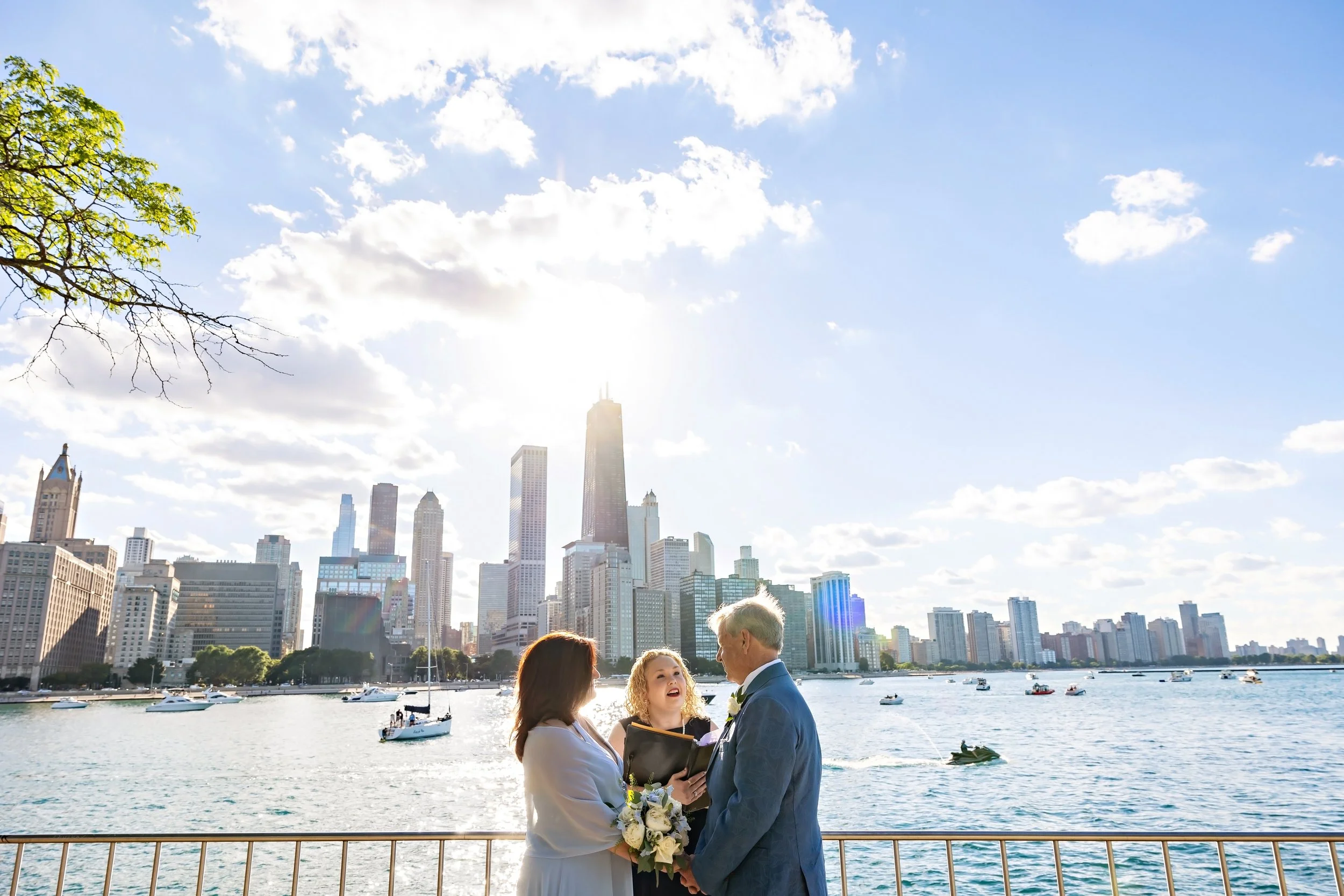
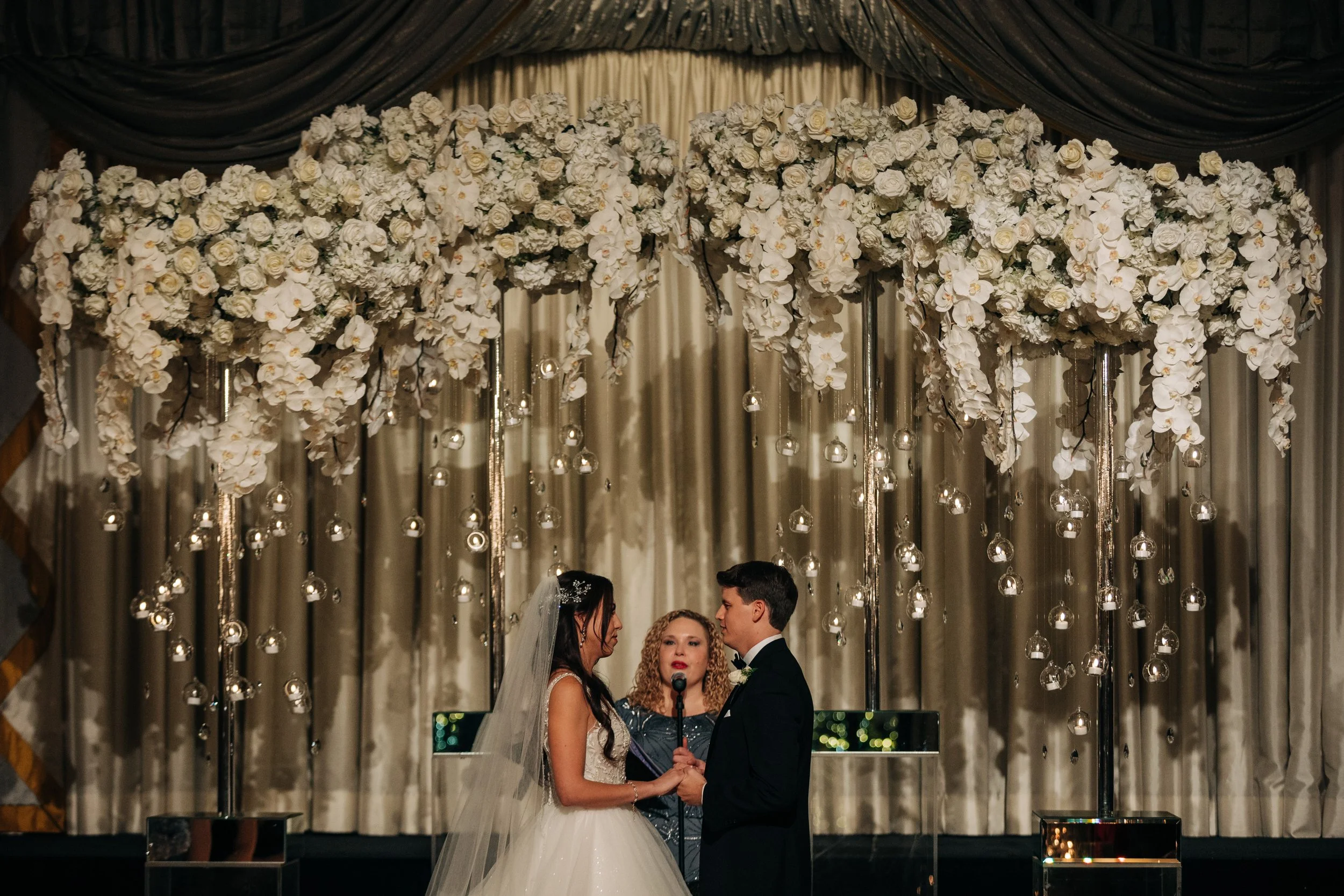
Photo by Elope to Chicago
I Didn't Leave Photography Behind
People sometimes ask if I miss photography.
The truth is, I never really left it behind.
Although I no longer carry cameras through twelve-hour wedding days, I still experience every wedding through the eyes of someone who spent fifteen years behind the lens.
It's almost second nature now.
As the wedding party walks down the aisle, I find myself gently reminding them to slow down, relax their shoulders, lower their bouquets just a little, and take in the moment. When the couple reaches the front, I'm already noticing whether they're centered beneath the arch or if a small step to one side will make all the difference in their photographs years from now.
When someone shares a reading, I'm thinking about giving them a beautiful place to stand and making sure what they're holding looks as intentional as everything else the couple has spent months planning. Before the first kiss, I'm already stepping out of the frame because that photograph should belong entirely to the couple.
These aren't things I consciously have to think about anymore.
They've simply become part of how I officiate.
One of my favorite parts of every wedding day is reconnecting with photographers I've known for years, many dating back to my photography days, while also meeting talented new photographers and videographers. Every wedding introduces me to someone new, and I genuinely love building those relationships.
I often joke that once you've been a photographer, that part of your brain never really turns off.
If I notice a dress needs to be fluffed before portraits, I'll quietly lend a hand. If a photographer needs someone to hold a bouquet for a moment or help gather family members, I'm always happy to jump in. We all have the same goal: creating the best possible experience for the couple.
I've always believed weddings are at their best when the vendor team works together.
Photography taught me to anticipate what might happen next.
Officiating allows me to help create those moments before they're ever captured.
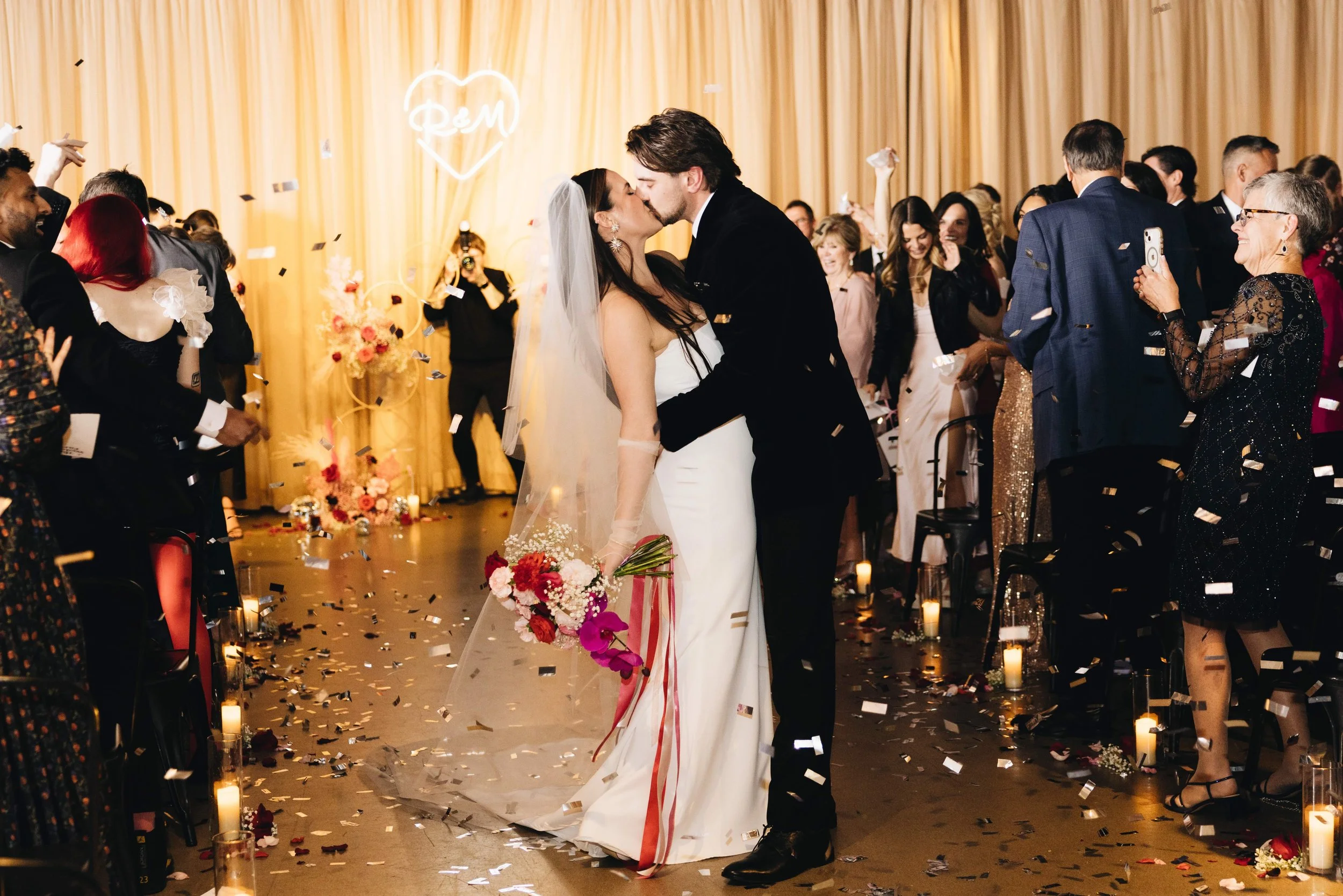
Photography taught me how to preserve memories. Officiating allows me to help create them.
I Understand How Quickly a Wedding Day Moves
If there's one thing fifteen years of photographing weddings taught me, it's this:
Wedding days have a way of passing in the blink of an eye.
Couples spend months, and often years, dreaming about this day. They carefully choose every detail, from the flowers and music to the ceremony backdrop and the people standing beside them. Then suddenly, the music begins, the doors open, and before they know it, they're walking back down the aisle as newlyweds wondering where the last thirty minutes went.
That realization changed the way I officiate.
My job isn't simply to guide a ceremony.
It's to help my couples slow down enough to truly experience it.
That begins long before the wedding day itself.
During the rehearsal, we don't just practice where everyone stands. We talk about how the ceremony should feel. I remind the wedding party to walk as though they're taking a slow stroll through the park, not racing to the finish line. I encourage them to look up, smile, and notice the family and friends who have gathered to celebrate.
On the wedding day, I remind my couples that it's okay to pause.
When they reach the front of the aisle, I encourage them to take a quiet breath and really look at each other before we begin.
When it's time for their first kiss, I remind them to hold onto the moment just a few seconds longer than feels natural. Not because the photographer needs another photo, but because they deserve to feel that moment instead of rushing through it.
As they walk back down the aisle, I encourage them to celebrate. Maybe it's another kiss, a joyful laugh, a spin, a high five, or simply looking around at the people cheering for them.
Those aren't staged moments. They're real moments that so many couples tell me they might have missed if someone hadn't reminded them it was okay to slow down.
Ironically, slowing down by just a few seconds often creates the most beautiful photographs. Not because anyone is posing. Because the emotion has room to breathe.
Years from now, when my couples look back through their wedding album, I don't just want them to remember what happened.
I want them to remember how it felt.
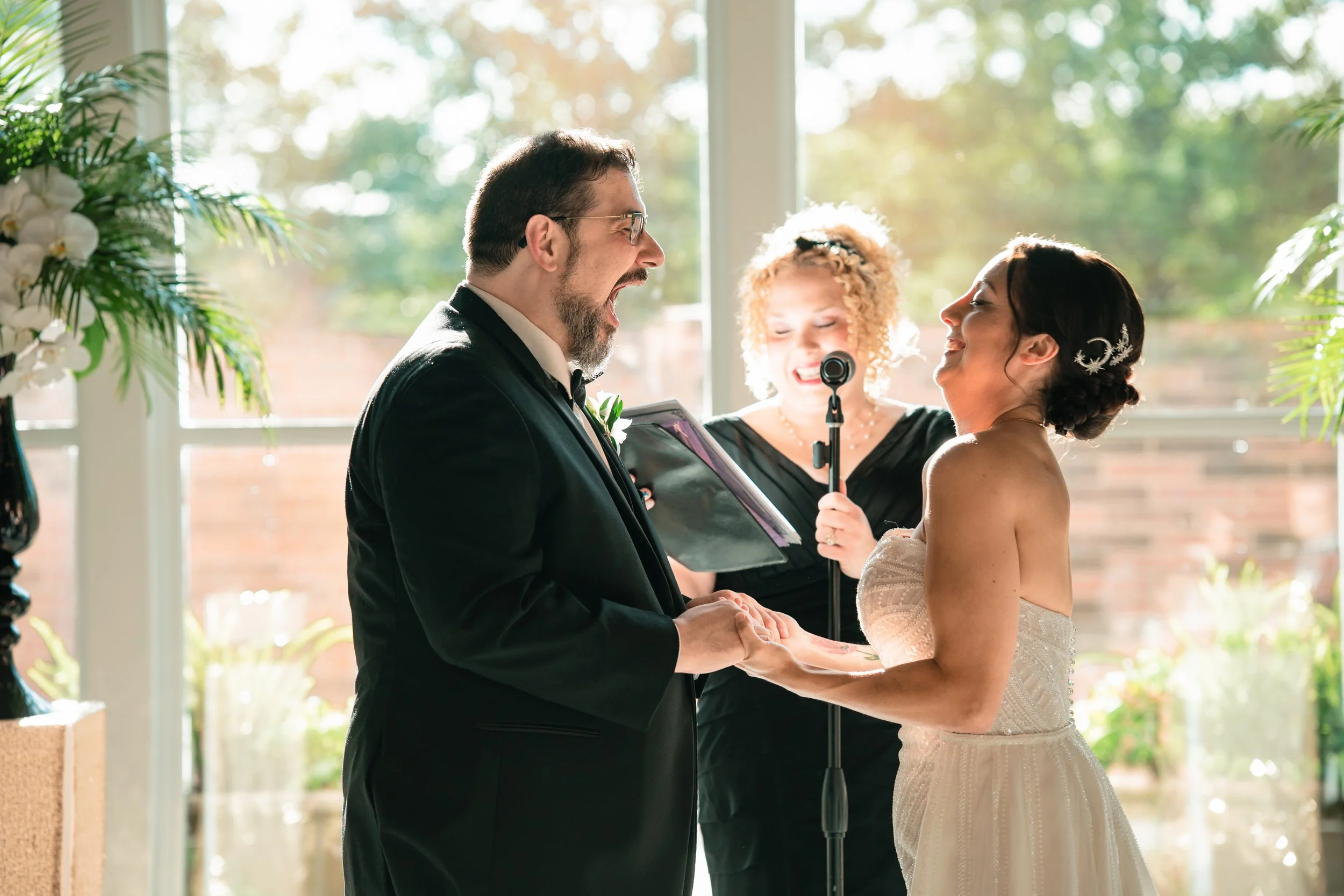
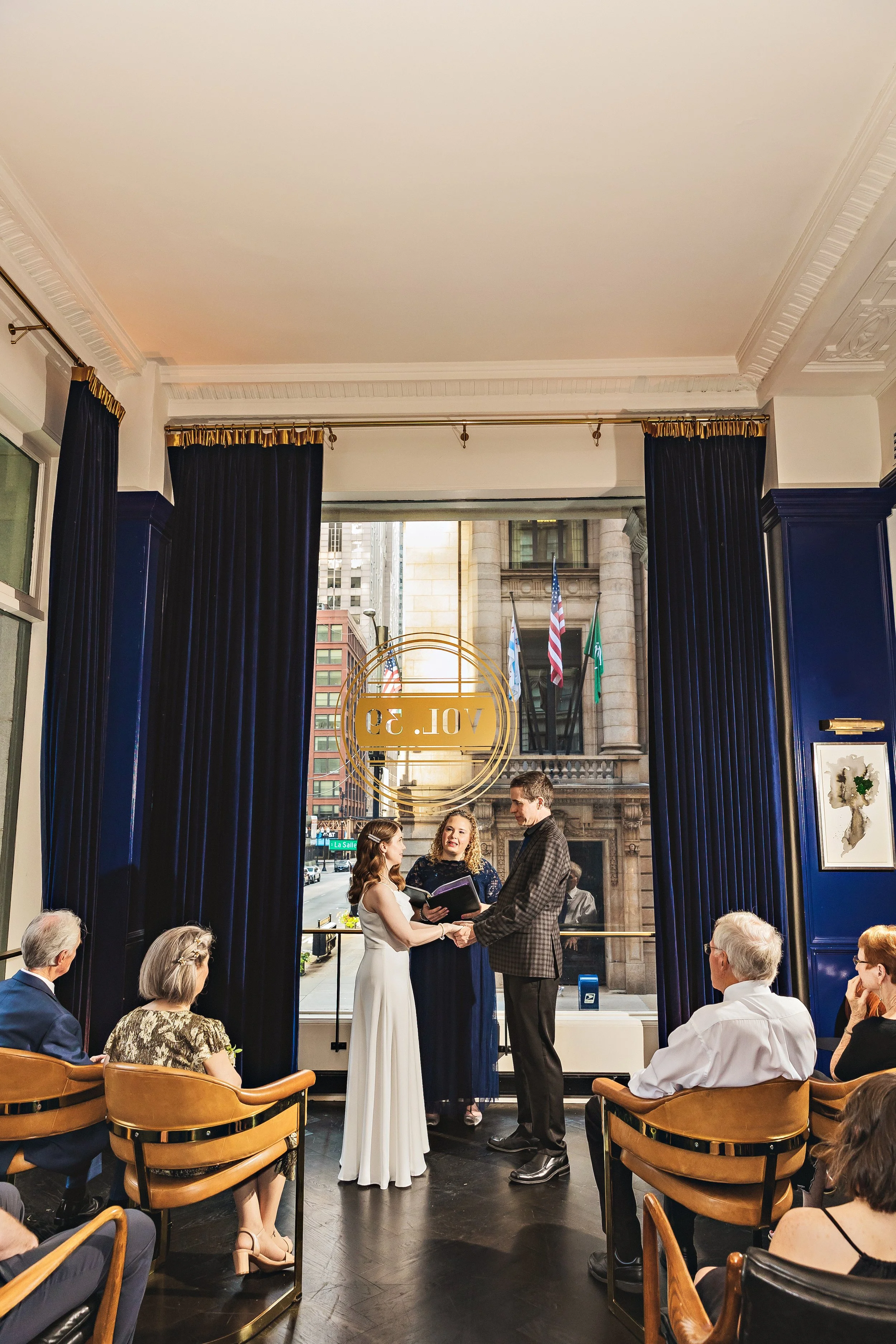
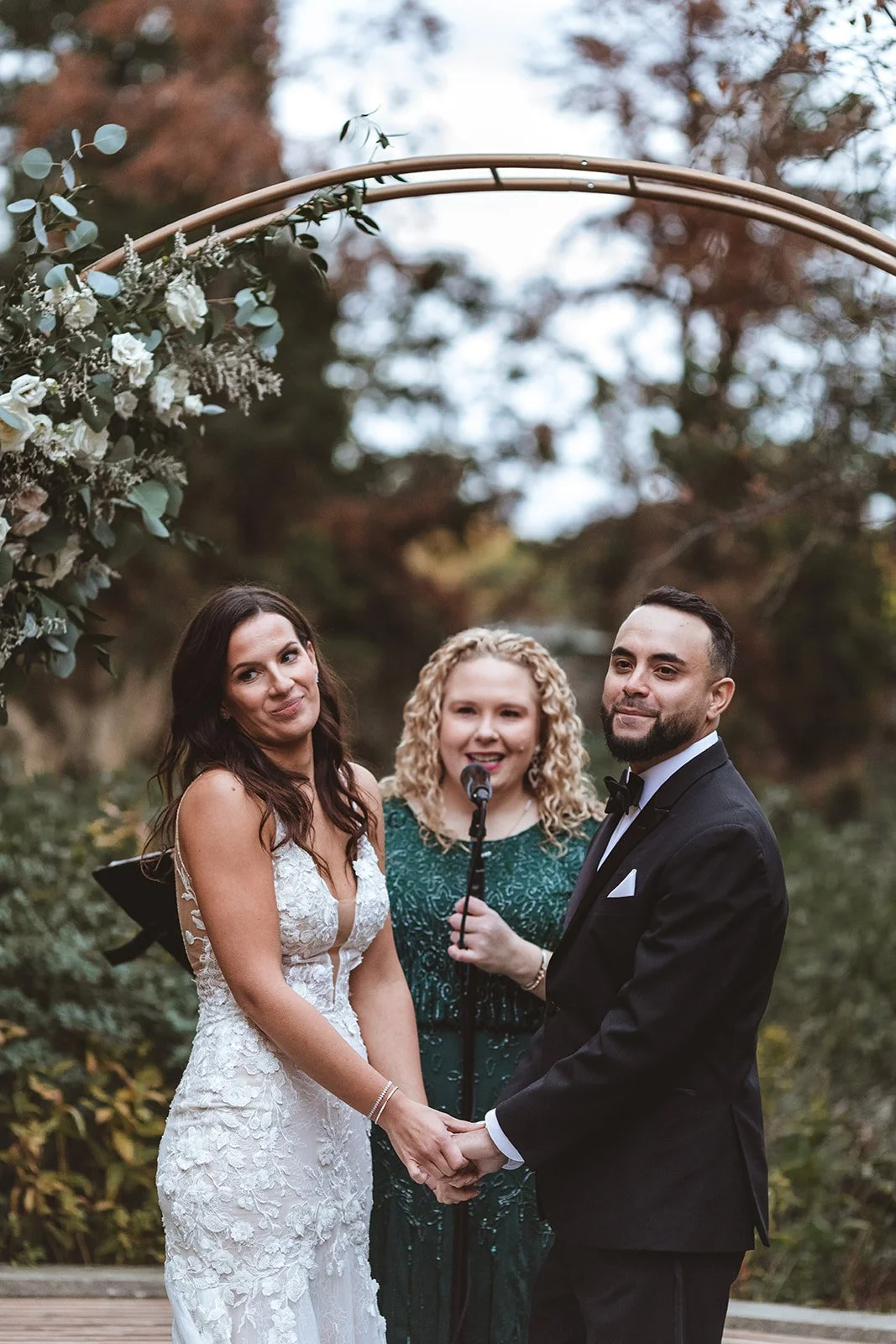
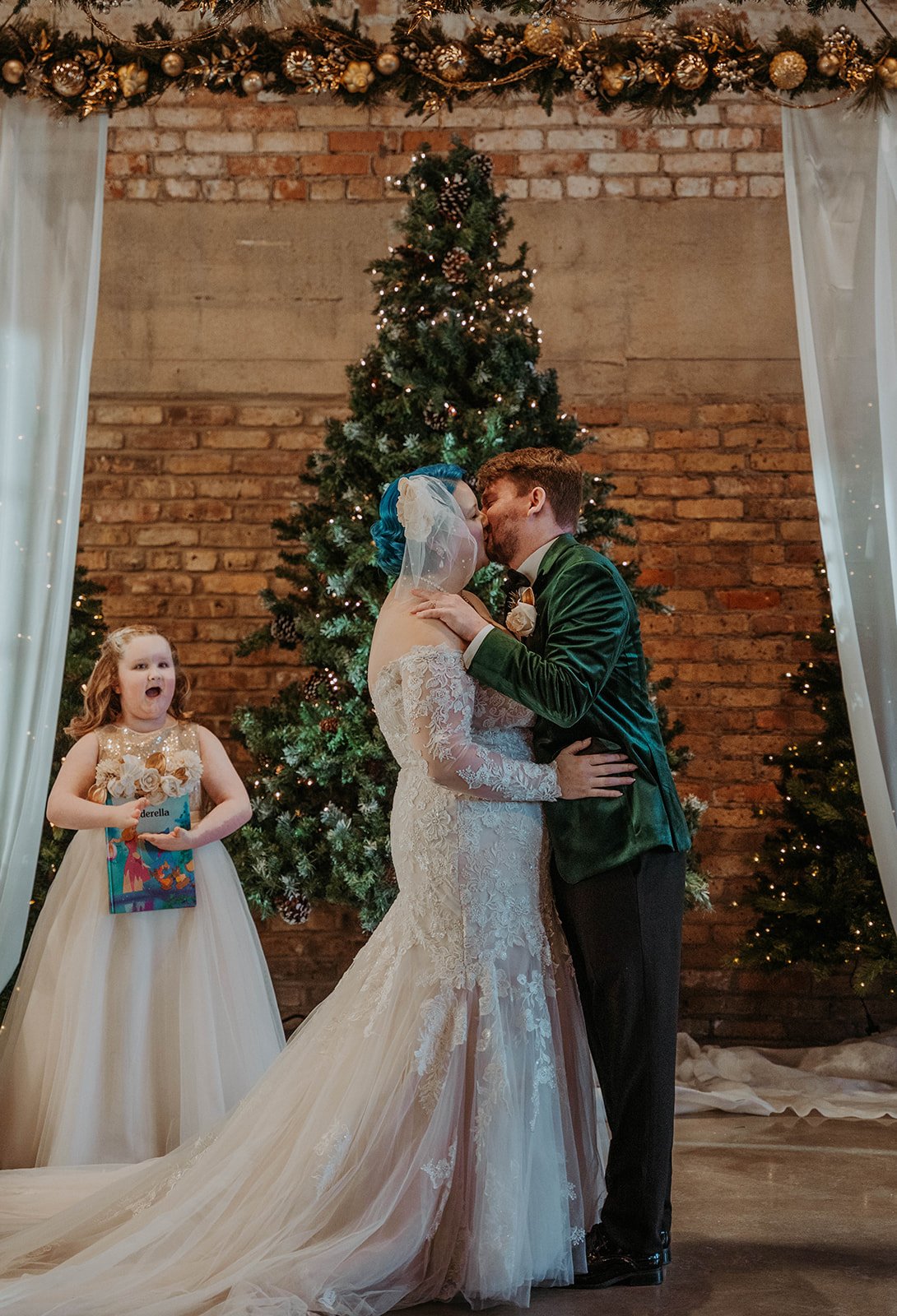
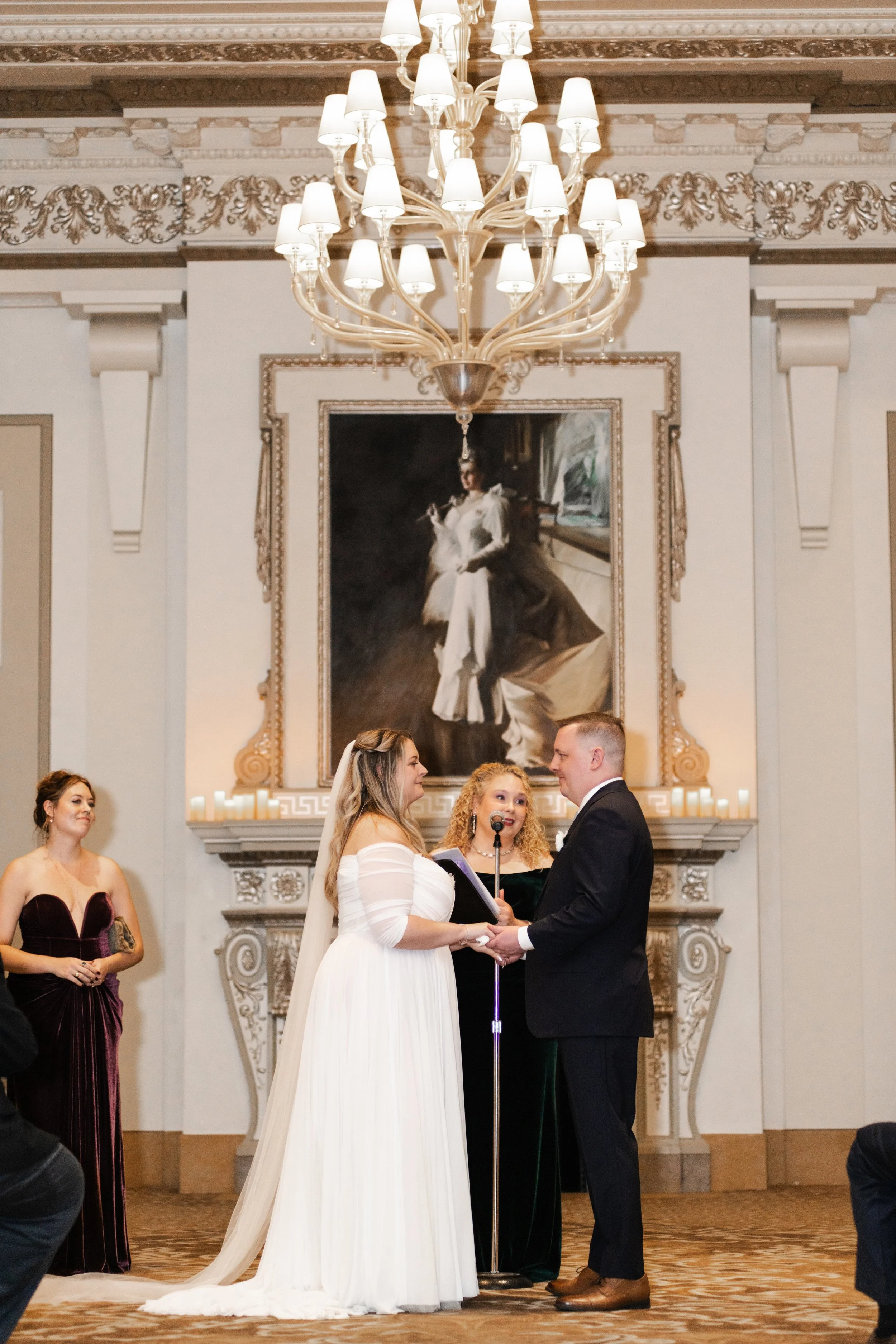
Photograph thanks to the amazing Lin Bros Studio
Fifteen years behind the camera taught me that the most meaningful wedding moments aren't staged—they're felt. Today, those lessons shape every ceremony I create.
I Think About the Entire Visual Story
One thing fifteen years behind the camera taught me is this: an officiant becomes part of a couple's visual story whether they intend to or not.
Whether we realize it or not, an officiant becomes part of one of the most meaningful moments in a couple's life. I'm the person standing beside them as they exchange vows, make lifelong promises, and hear the words that officially pronounce them married. It's a tremendous honor, and one I never take lightly.
Long before I arrive on a wedding day, I'm already thinking about how I can become a seamless part of the experience the couple has worked so hard to create.
That starts with something as simple as what I wear.
I ask about the venue, the level of formality, the wedding colors, and the overall feel of the celebration. Is it a formal black-tie wedding in a grand ballroom? A colorful multicultural celebration? A romantic garden ceremony? An intimate gathering on the beach?
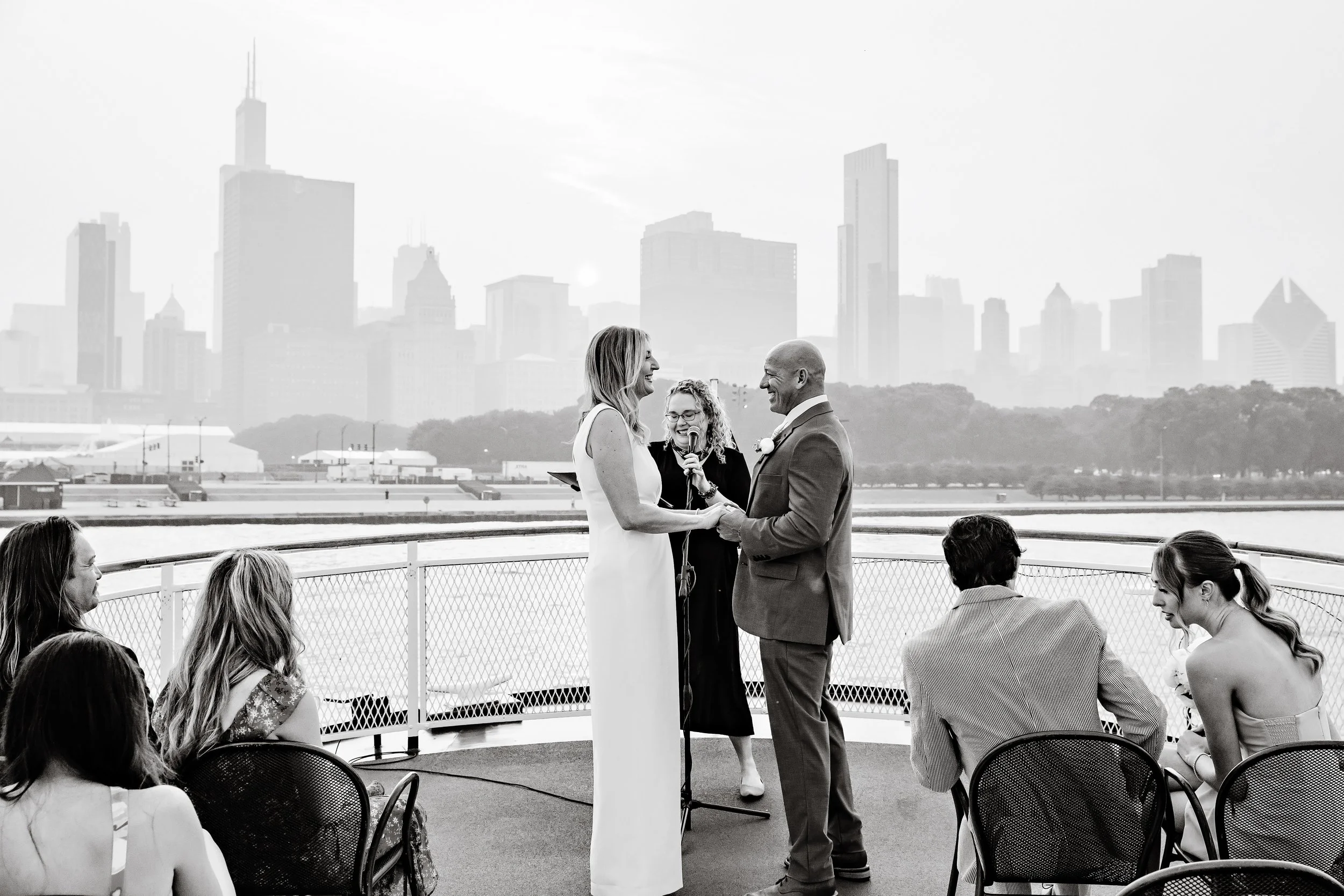
Whether I'm officiating an intimate Chicago elopement, a multicultural wedding ceremony, or a formal ballroom celebration, my goal isn't to stand out. It's to belong.
I want to complement the atmosphere they've created, not compete with it.
But the visual story goes far beyond my attire.
It's also my way of supporting the incredible photographers and videographers who are working just as hard to preserve these memories. Whether it's someone I've known for years or a creative partner I'm meeting for the first time, we're all telling the same story from different perspectives.
Throughout the ceremony, I'm constantly aware of where everyone is standing. Sometimes that means making a subtle adjustment so the couple is perfectly centered beneath their ceremony backdrop. Sometimes it means encouraging them to angle slightly toward one another so they naturally connect while still allowing their families and photographer to see their expressions.
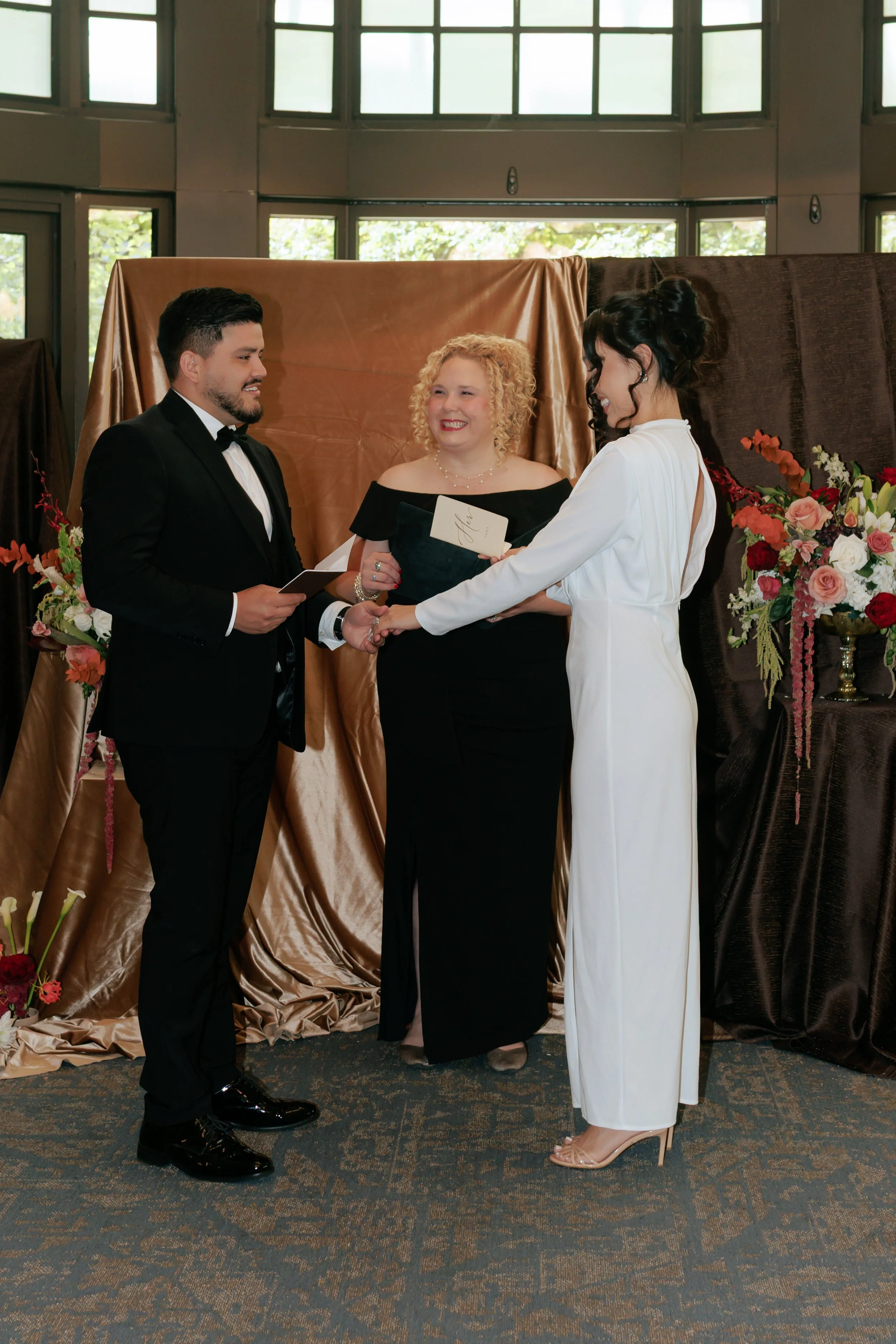
When someone gives a reading, I quietly step aside and invite them into my place so they can connect directly with the couple and their guests. When the couple shares personal vows, I move out of the frame whenever possible because those photographs should be about the two of them, not me.
And just before their first kiss, I take one final step away.
I've guided them to the moment. Now it's theirs.
That moment belongs entirely to the couple.
None of these little adjustments interrupt the ceremony.
In fact, most couples never even notice them happening. That's exactly the point.
Years from now, when they look back through their wedding photographs, they'll see themselves exactly where they should be: together, at the center of one of the most meaningful moments of their lives.
Because years from now, I don't want them to remember where I was standing. I want them to remember exactly how they felt.
I Know the Photographer Is My Teammate
Having spent fifteen years behind the camera, I know exactly what photographers are looking for—and I also know how quickly a once-in-a-lifetime moment can come and go.
Back when I was photographing weddings, there were moments when I quietly wished an officiant would take just one small step to the side or pause for one more second. Of course, I never would have asked. My job was to capture the day exactly as it unfolded.
Today, I smile because I understand both perspectives.
As a professional wedding officiant, I believe the best ceremonies happen when every vendor works together.. Whenever possible, I introduce myself to the photographer and videographer before the ceremony begins. Whether it's someone I've known for years or a creative partner I'm meeting for the first time, I genuinely look forward to working together. We all have the same goal: creating an incredible experience for the couple.
Before the ceremony begins, I like to give them a quick overview of what to expect. I'll mention if the couple has written personal vows, if there's a surprise reading, a unity ceremony, or any unique moments they'll want to be ready for. Those are often the memories families treasure most, and I want everyone to have the opportunity to capture them beautifully.
I also let them know that, whenever space allows, I'll step aside for personal vows and again before the first kiss. If I notice the couple is just slightly off-center beneath their ceremony backdrop, I invite the photographer to give me a subtle signal. A small gesture in one direction is often all I need to gently reposition the couple without interrupting the ceremony or drawing attention to the adjustment.
And sometimes, my photographer instincts show up in other ways. If a dress needs a quick fluff before portraits, a bouquet needs to be held for a moment, or someone needs an extra set of hands gathering family members, I'm always happy to jump in. Some habits are simply too good to leave behind.
Some of my closest friendships in the wedding industry began because we spent Saturdays side by side, quietly helping the same couple have the best day of their lives. Those relationships have taught me that the best weddings don't happen because one vendor is exceptional. They happen because an entire team works together with the couple at the center of every decision.
A photographer preserves the memories.
I help create the moments they'll want to remember.
At the end of the day, we're simply telling the same love story from different perspectives.
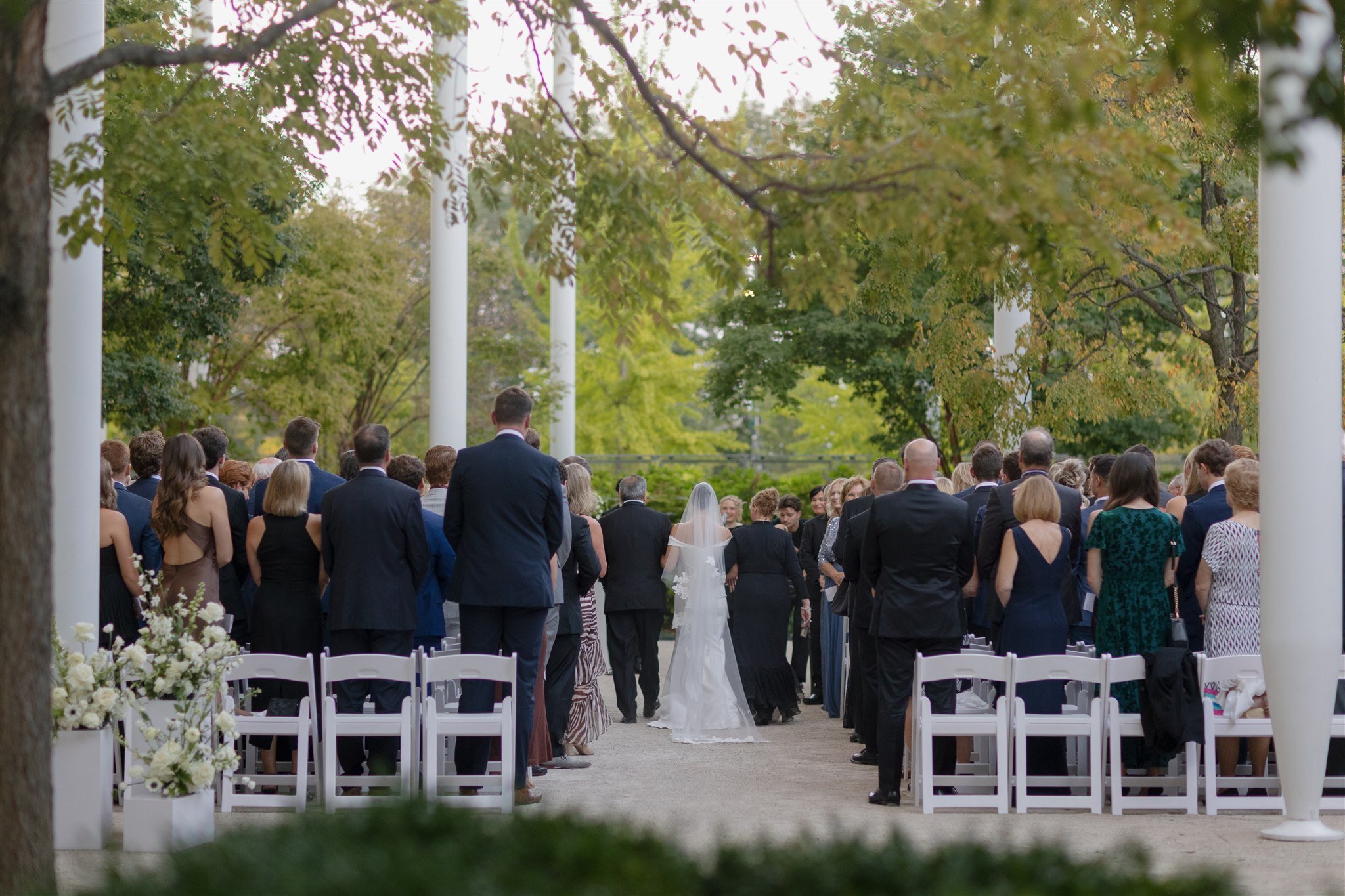
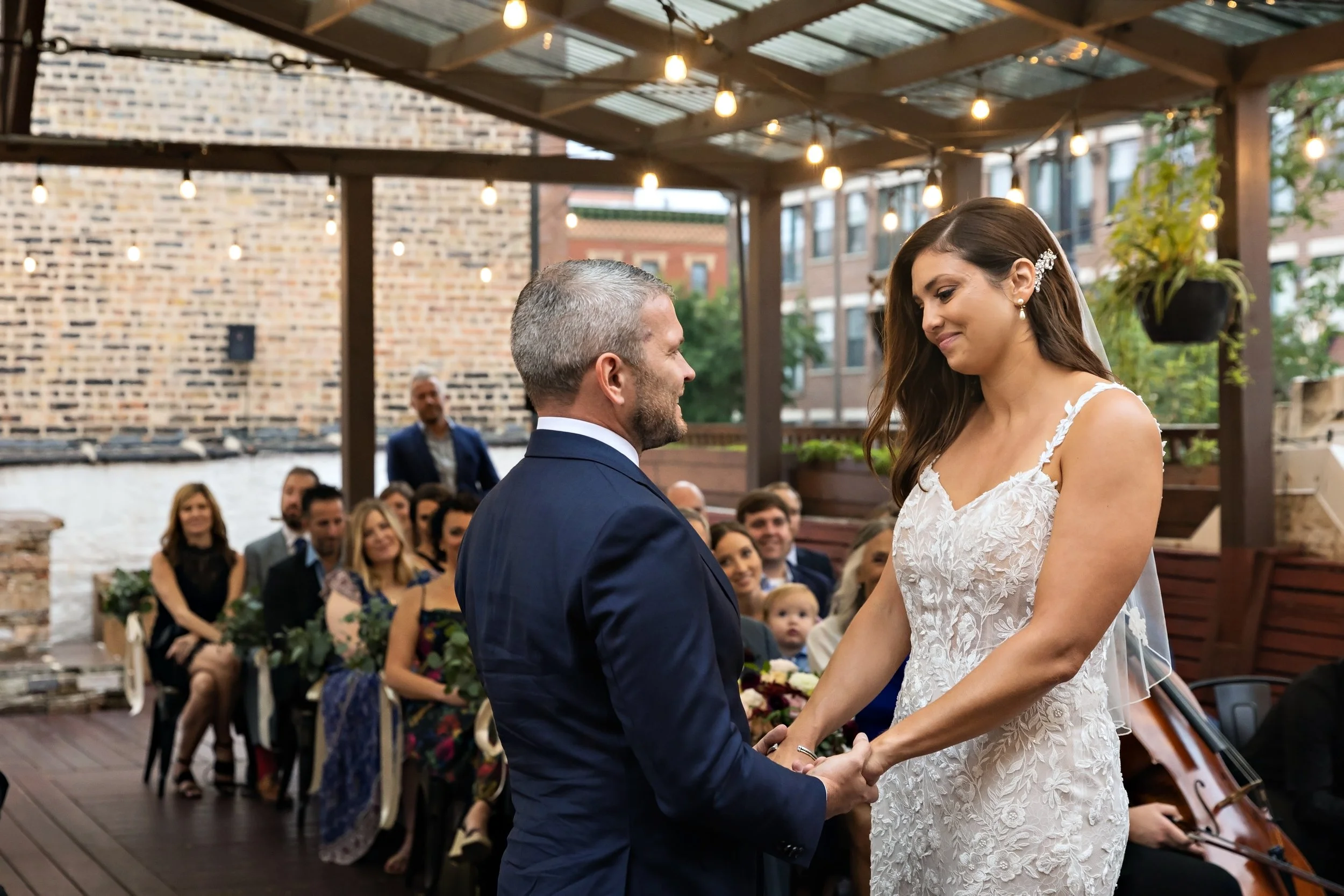
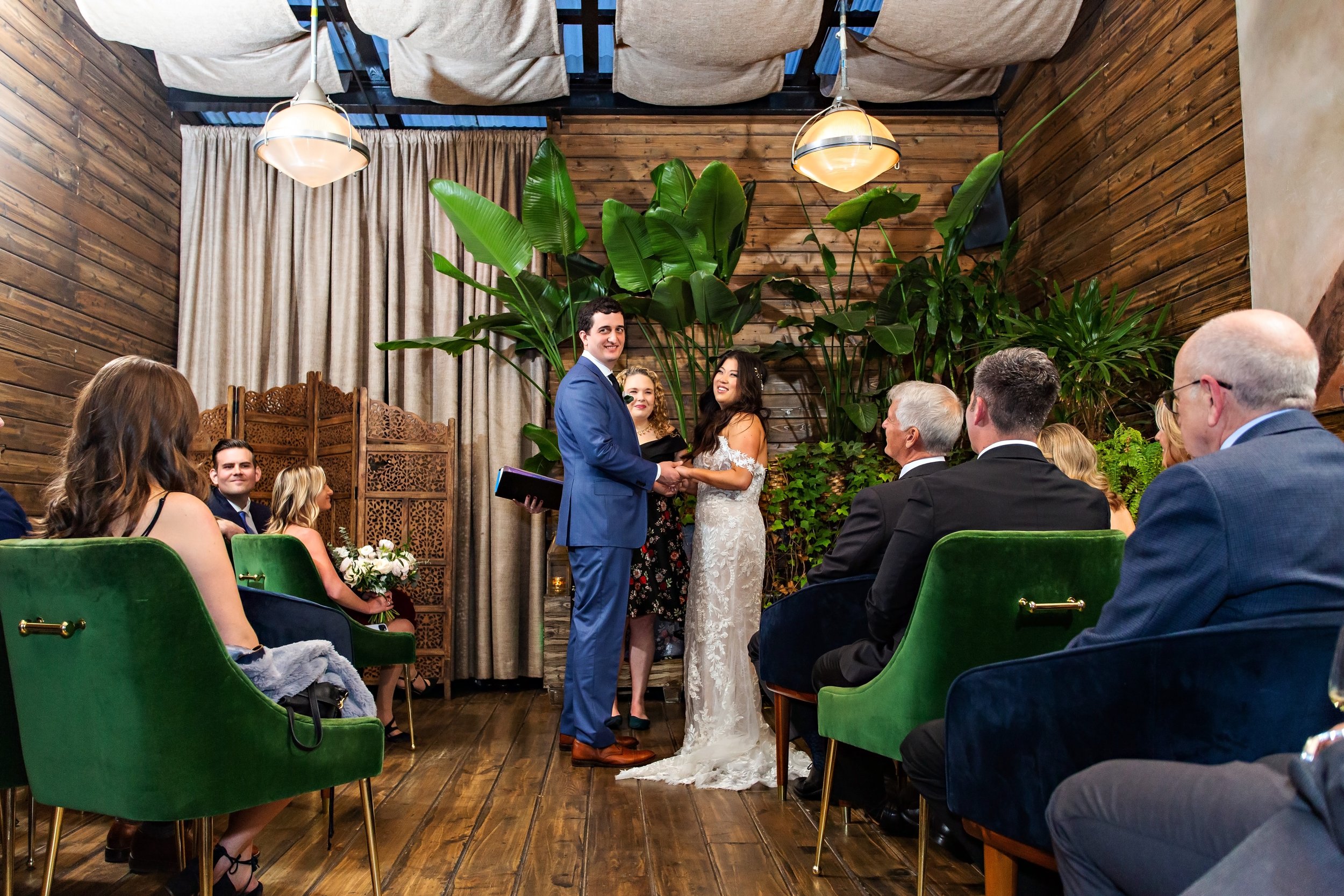
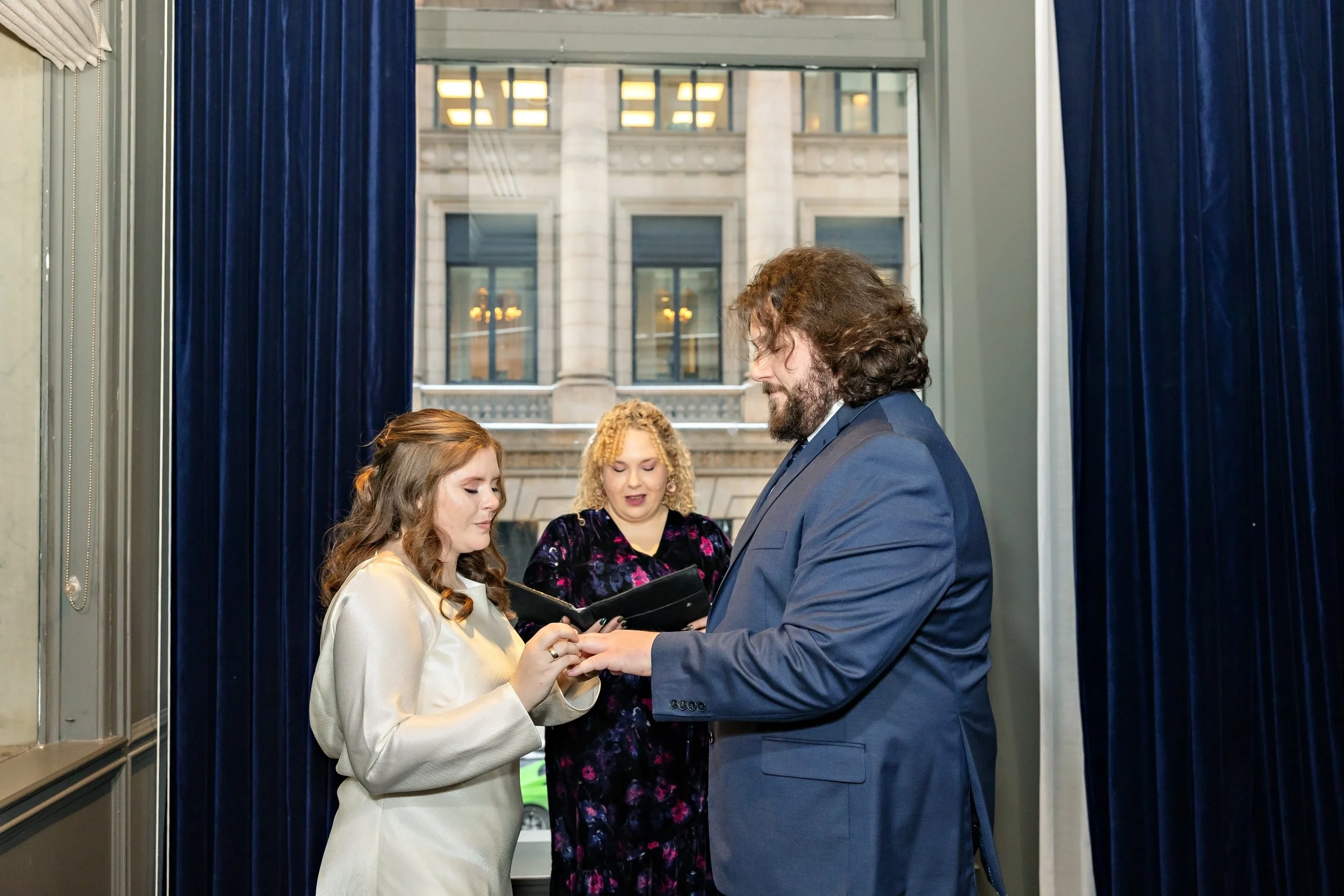
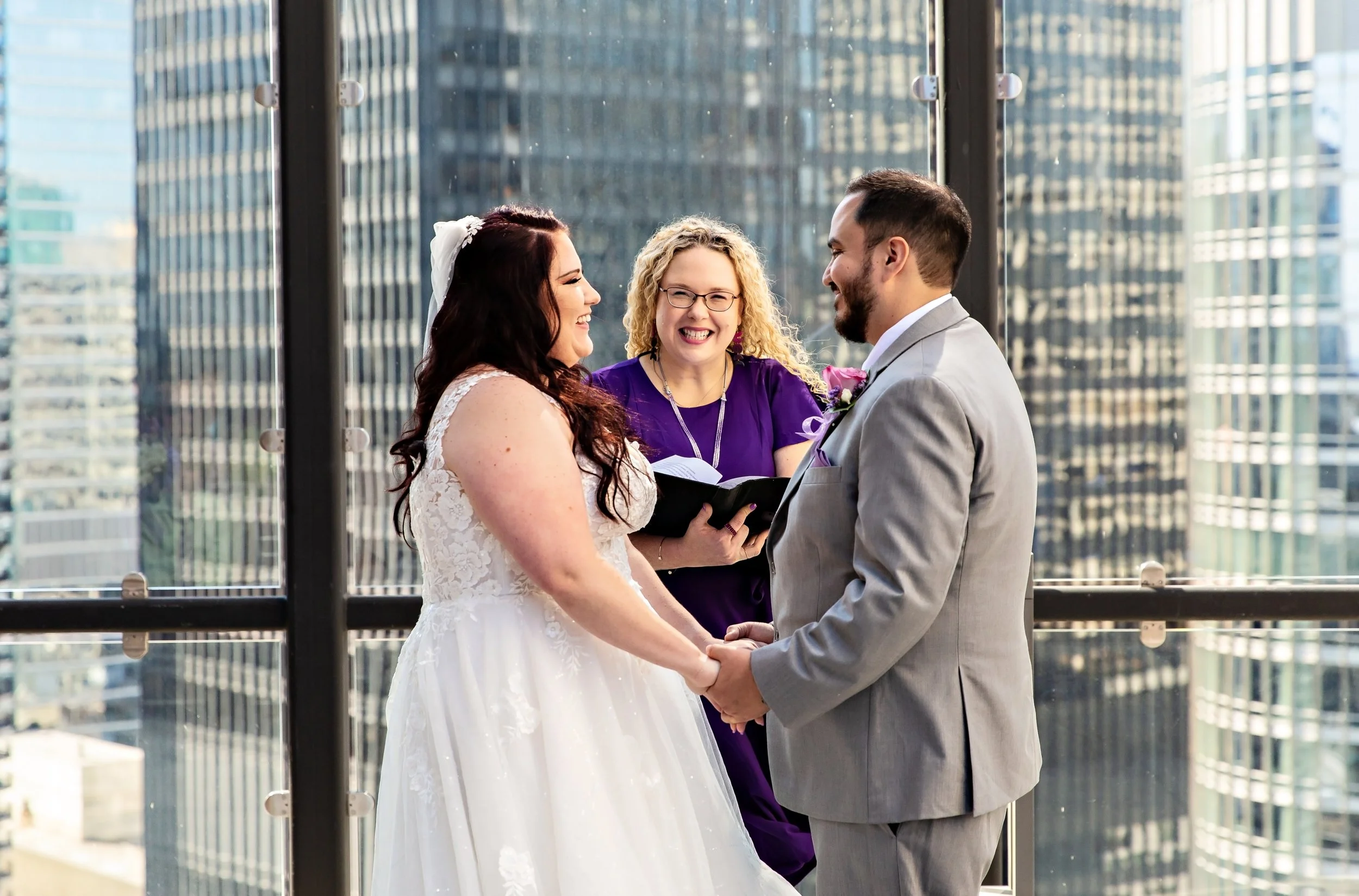
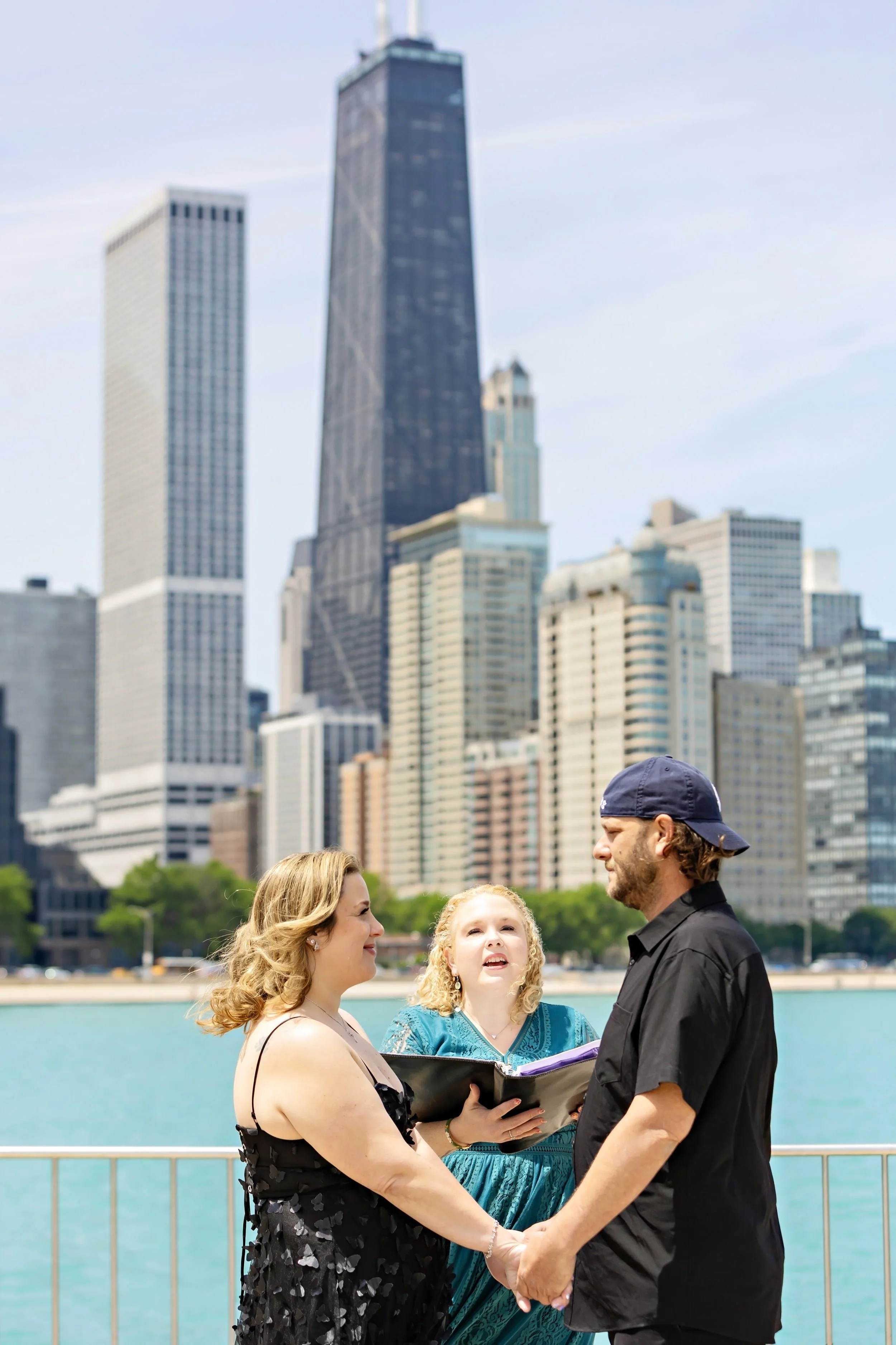
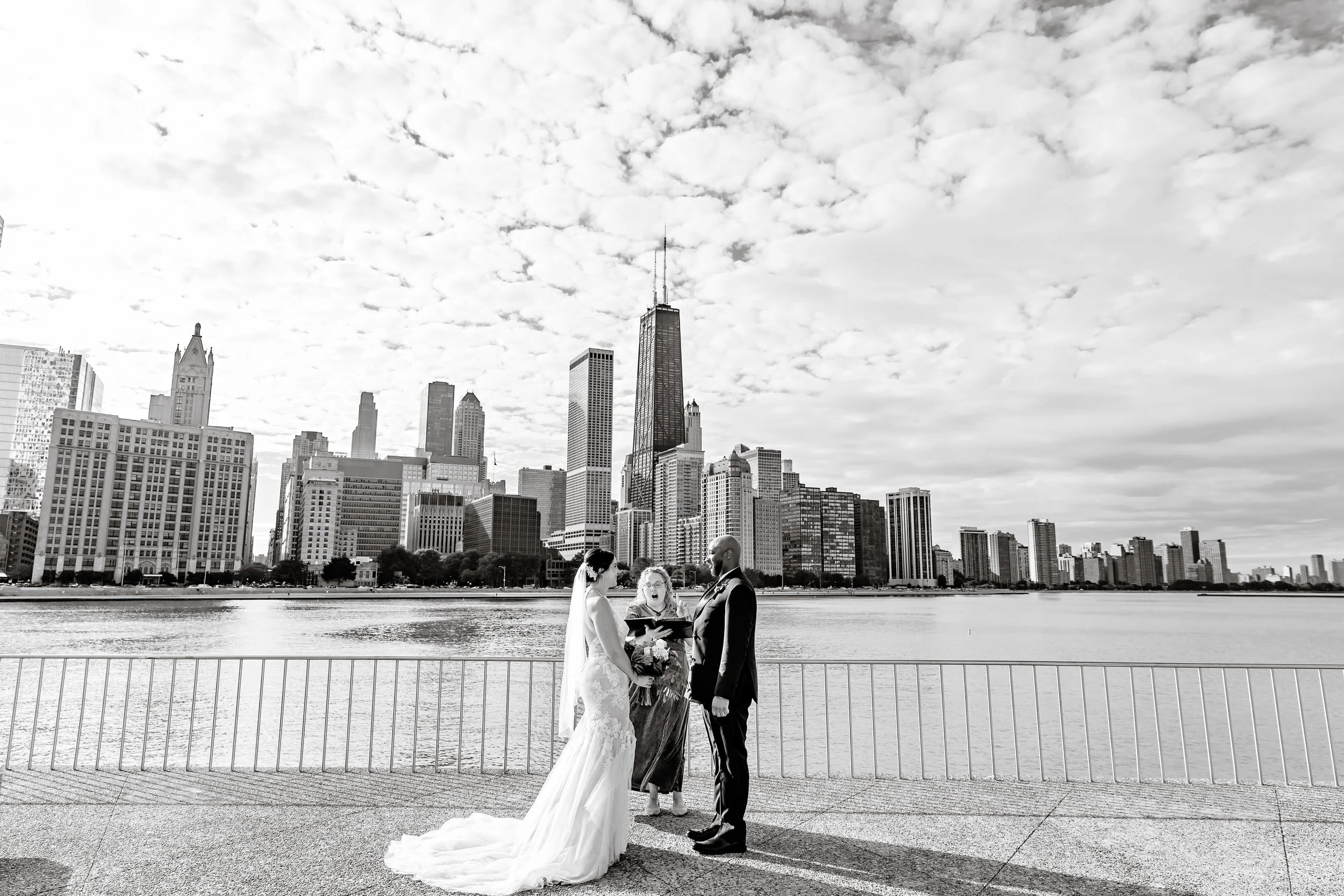
Photograph thanks to Bradley Moss Photography
The Most Powerful Photographs Begin With a Meaningful Ceremony
A photographer can capture a tear, but the ceremony often creates the reason behind it.
A photographer can preserve laughter, but the words being spoken invite that laughter into the room.
Long after the flowers have faded and the music has ended, those are the moments couples return to when they look through their wedding album.
After photographing hundreds of weddings, I can tell you this: the ceremonies people talk about years later are rarely the shortest or the fanciest. They're the ones that made everyone in attendance feel something.
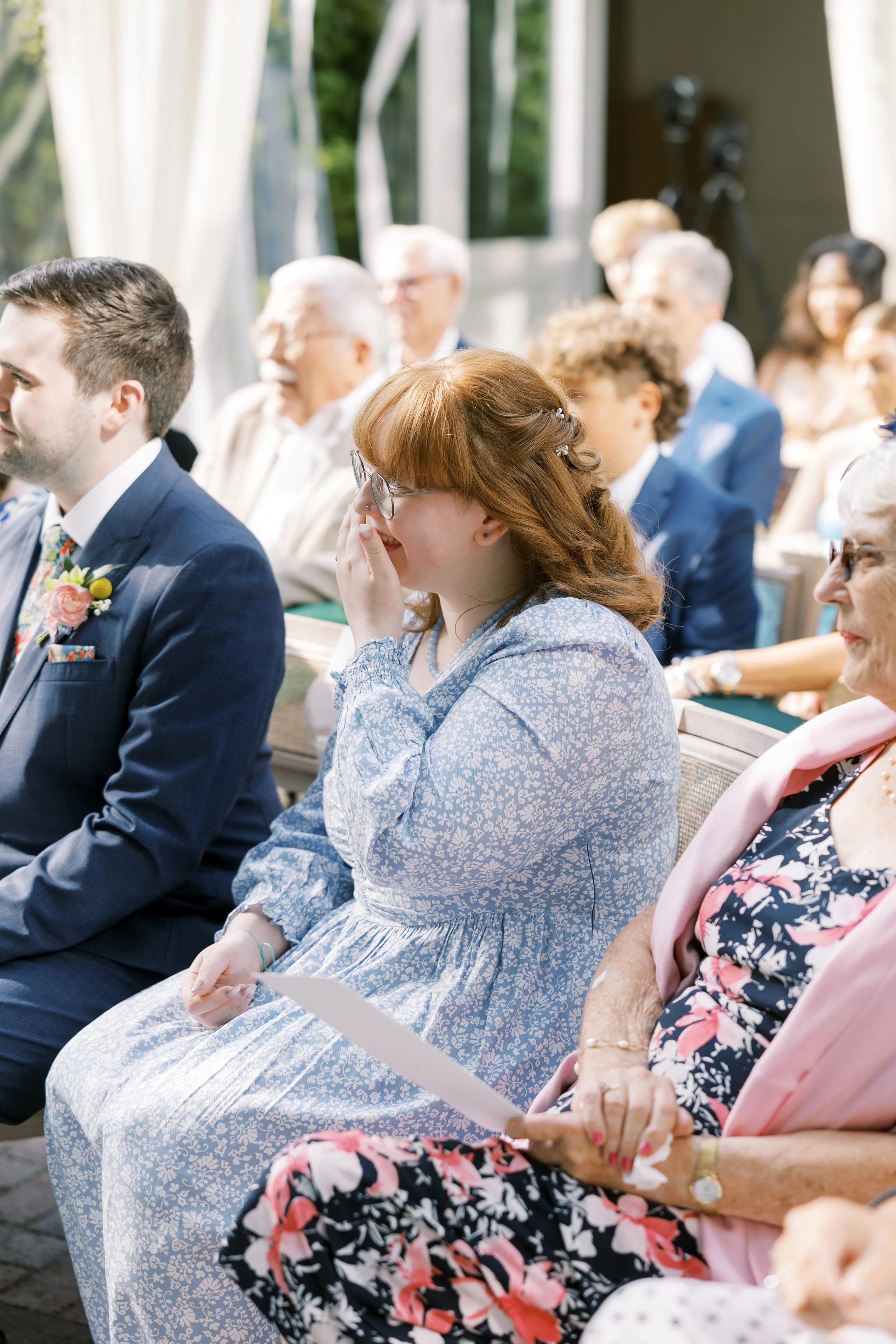
When a ceremony is personal, guests recognize the stories. They understand the references. They remember the moments being described.
They are not simply waiting for the ceremony to end so they can get to cocktail hour.
For those few minutes, everyone is completely present.
They laugh because the story feels familiar.
They cry because the words feel honest.
They look at the couple and understand, perhaps more deeply than they did before, why these two people chose one another.
For a few beautiful minutes, every guest sets aside the distractions of everyday life and becomes fully invested in someone else's love story.
Those reactions become some of the most meaningful photographs from the entire wedding day.
That's why I believe every custom wedding ceremony deserves far more than a template. Whether I'm creating a multicultural wedding ceremony, an intimate elopement, or a ceremony for hundreds of guests, I spend time getting to know every couple before I write a single word.
One of the very first questions I ask isn't what they want me to say. It's how they want their ceremony to feel.
Do they imagine something romantic and heartfelt, or lighthearted and joyful?
Are there meaningful traditions, cultures, family members, or stories they hope to weave into the experience?
I want to understand what they're imagining when they picture themselves standing together in that moment because every decision I make flows from that conversation.
Most of my couples have the opportunity to read and review their ceremony before the wedding. They can leave comments, request edits, and make sure every word feels authentic to who they are.
Some couples choose to be surprised. They complete their questionnaires, share their stories, and trust me to take it from there.
Others choose to be surprised. They complete their questionnaires, share their stories, and trust me to take it from there.
Either way, the ceremony is built around them.
Not around a generic template.
Not around what I believe marriage should look like.
Around their relationship.
Around the people who helped shape them.
Around the promises they're making.
Around the future they're choosing to build together.
Because when a ceremony truly reflects the couple, the photographs become more than beautiful images.
They become memories filled with meaning.
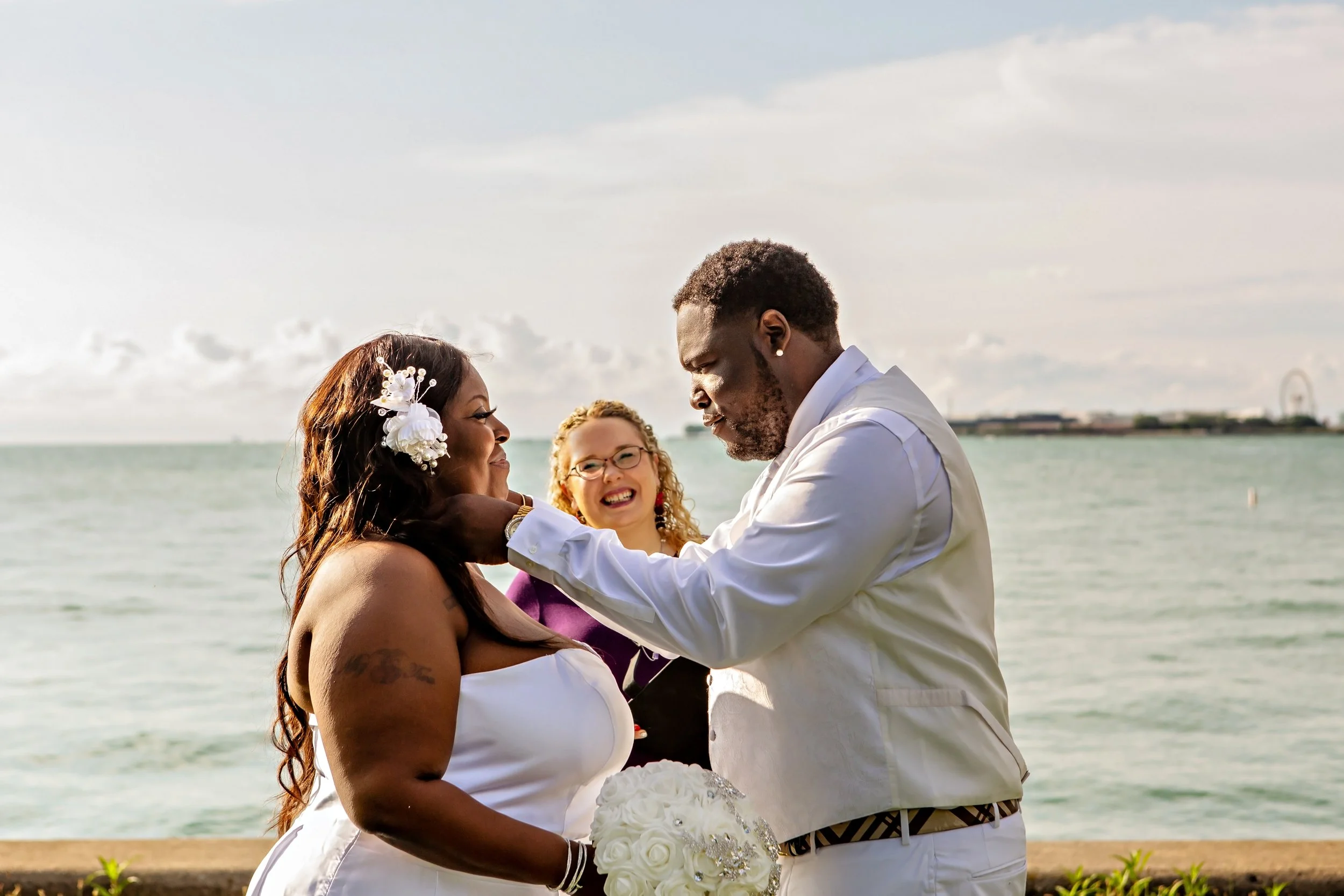
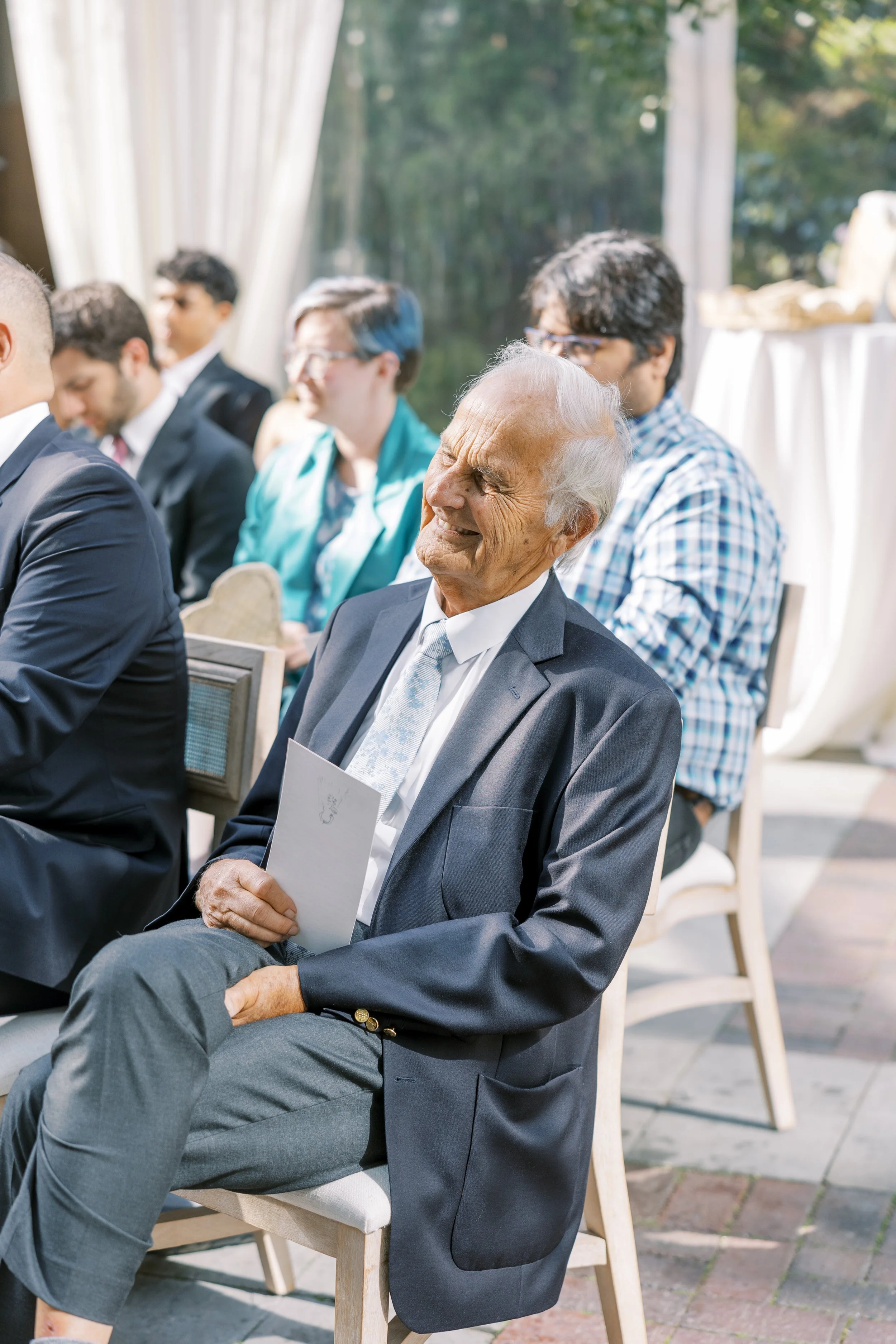
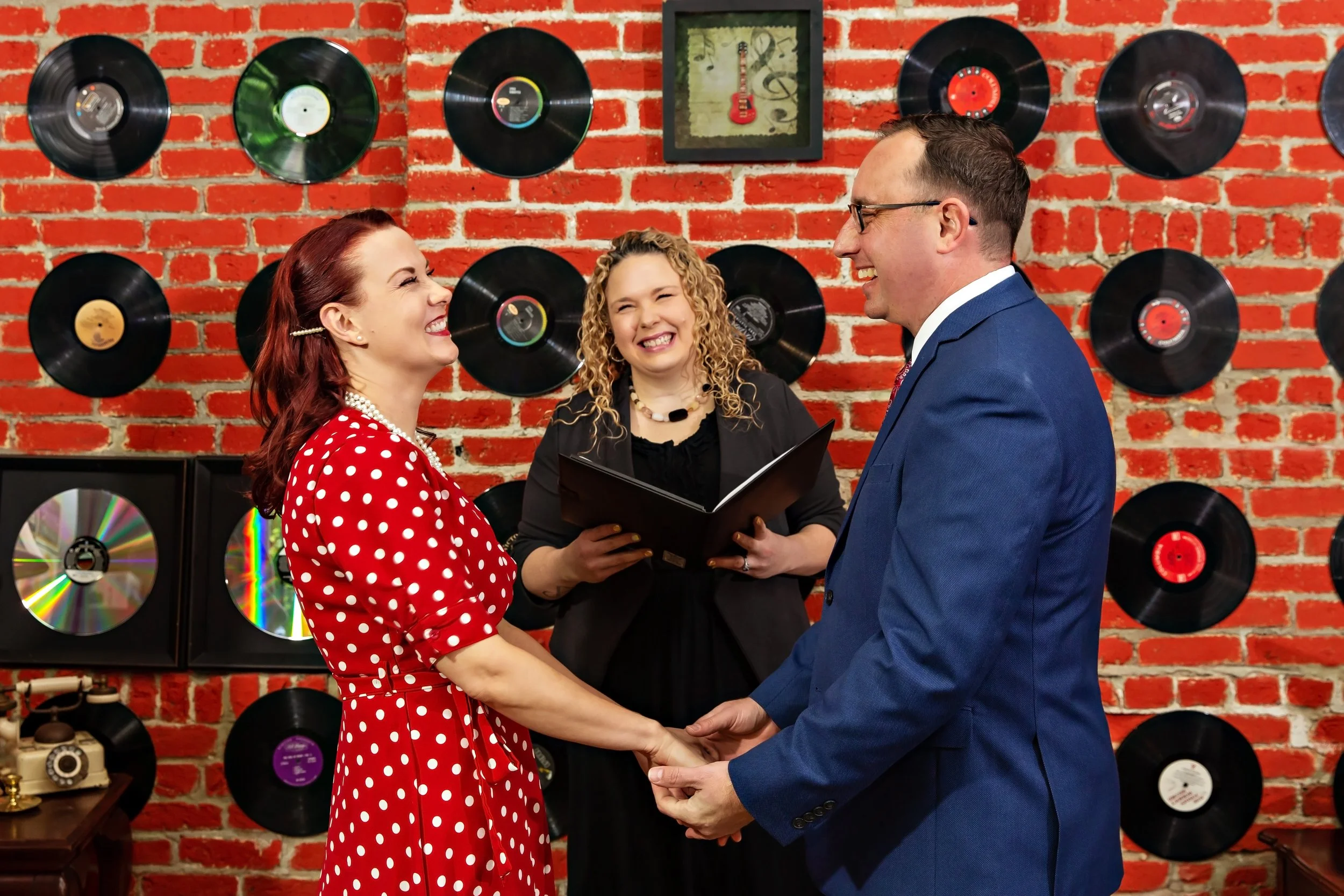
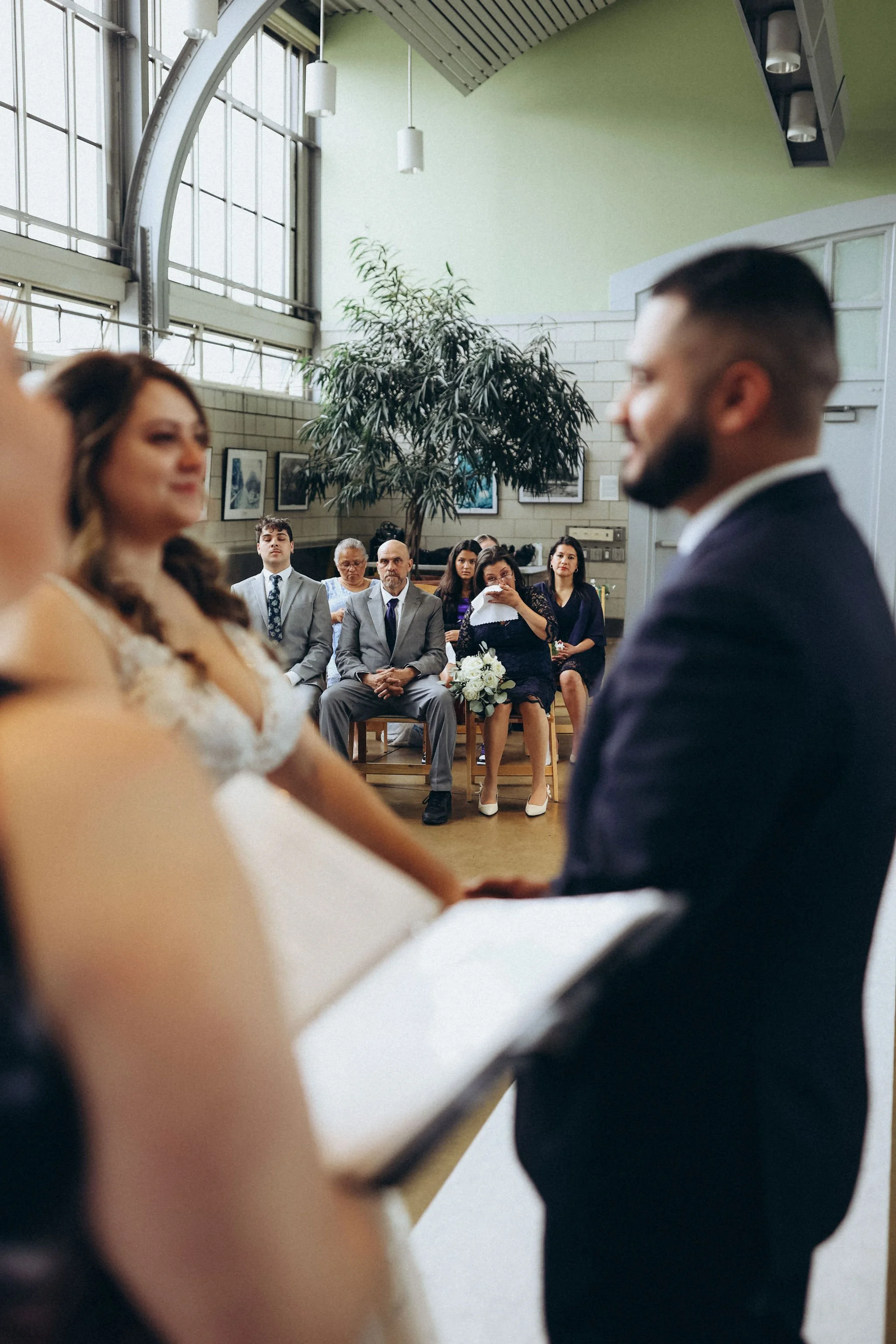
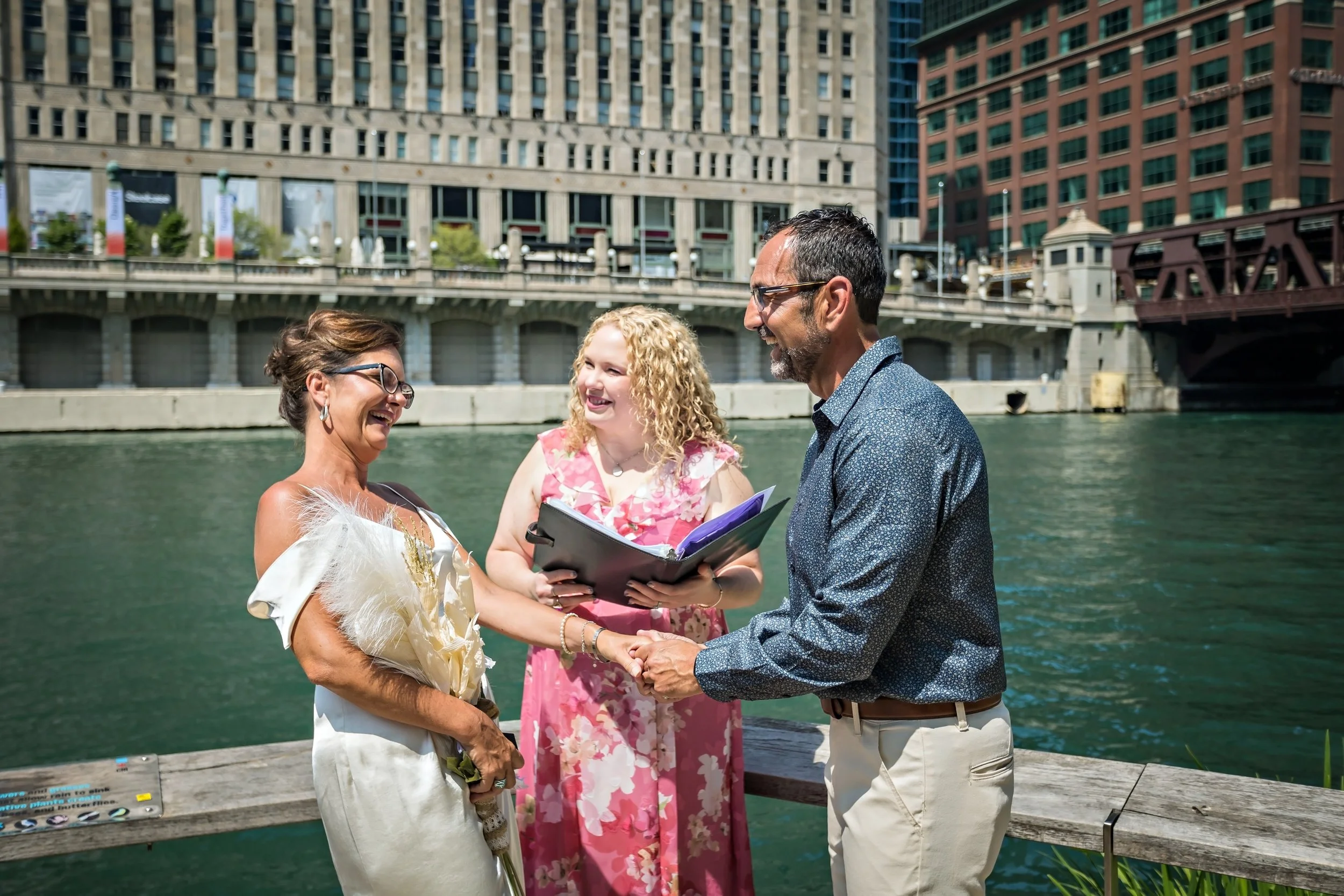
Every Ceremony Begins With One Quiet Breath
There is one small thing I do before every ceremony that almost no one sees.
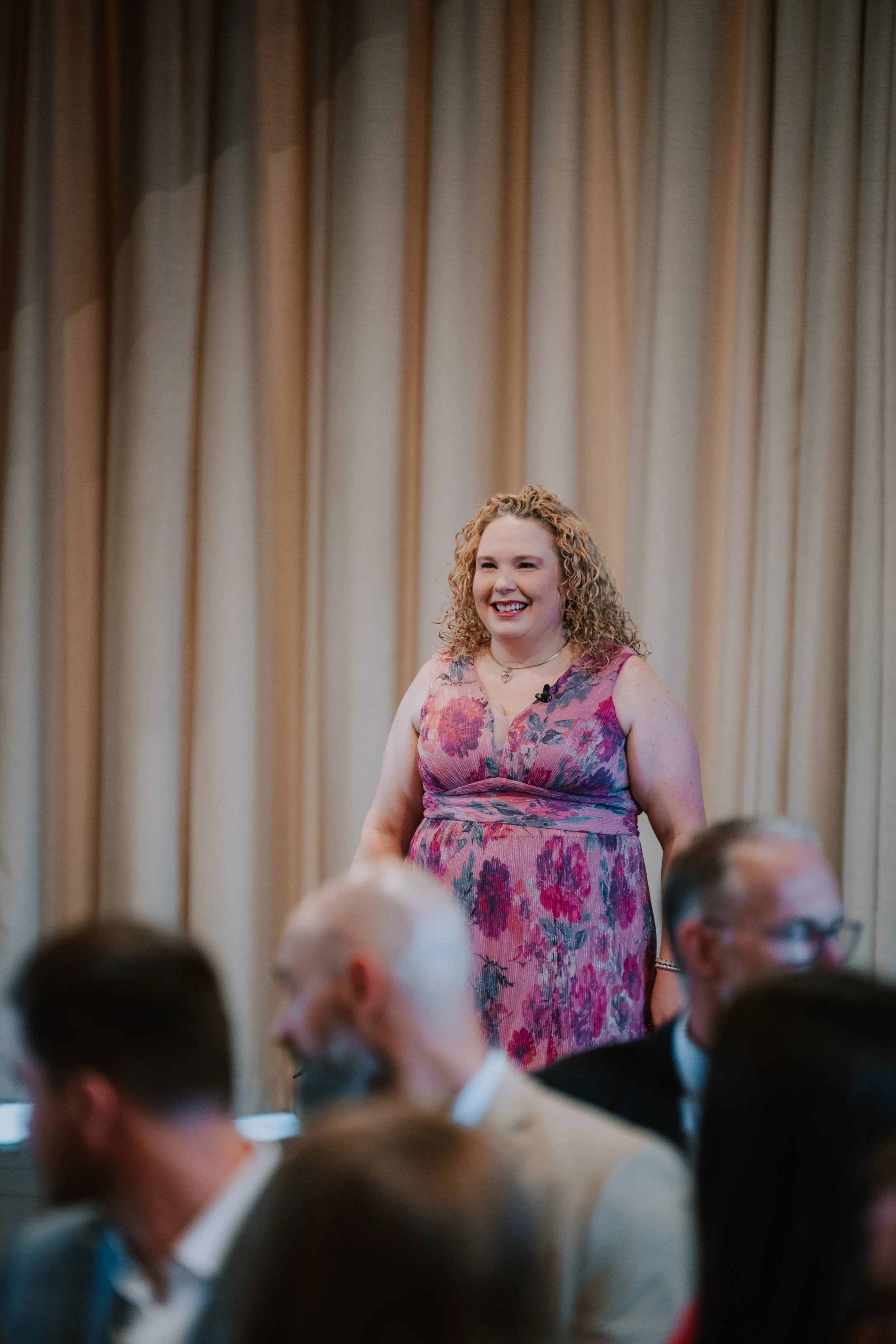
Right before I walk down the aisle, I pause.
I take one slow, deep breath.
Not because I'm nervous.
Because I want to leave everything else behind.
Even after all these years, I still get excited when the music begins.
No matter what happened that morning, how busy the week has been, or how many emails are waiting for me when I get home, none of that belongs in the ceremony.
For the next twenty minutes, my only job is to be fully present for two people who are about to experience one of the most meaningful moments of their lives.
That quiet breath reminds me of something I never want to take for granted.
While this may be one of many weddings I'll have the privilege of officiating this year, for the couple standing at the end of that aisle, this isn't just another Saturday.
This is their wedding day.
The day they'll remember for the rest of their lives. And I never want to forget what an incredible privilege it is to be part of it.
I've spent hours getting to know them. I've read their stories, written and rewritten their ceremony, carefully chosen every transition, and thought deeply about the words I'll speak.
Now it's time to put the pages aside and simply be with them.
When I reach the front, I make eye contact with the couple before I say a single word.
I look toward their parents as I acknowledge the families who helped shape them.
I turn toward the wedding party when recognizing the love and support they've shared along the journey.
I connect with the guests because they aren't simply watching a ceremony.
They're witnessing a promise.
I never want to spend the ceremony looking down at the pages in my hands.
When I'm speaking about the couple, I want to be looking at them.
When I share a story one partner told me about the other, I want them to see that memory reflected back through my eyes.
I believe people can feel the difference when someone is truly present with them.
And maybe that's the greatest lesson photography ever taught me.
The camera only captures what's happening on the outside.
Presence is what creates everything happening within.
That one quiet breath is my reminder to bring both to every ceremony.
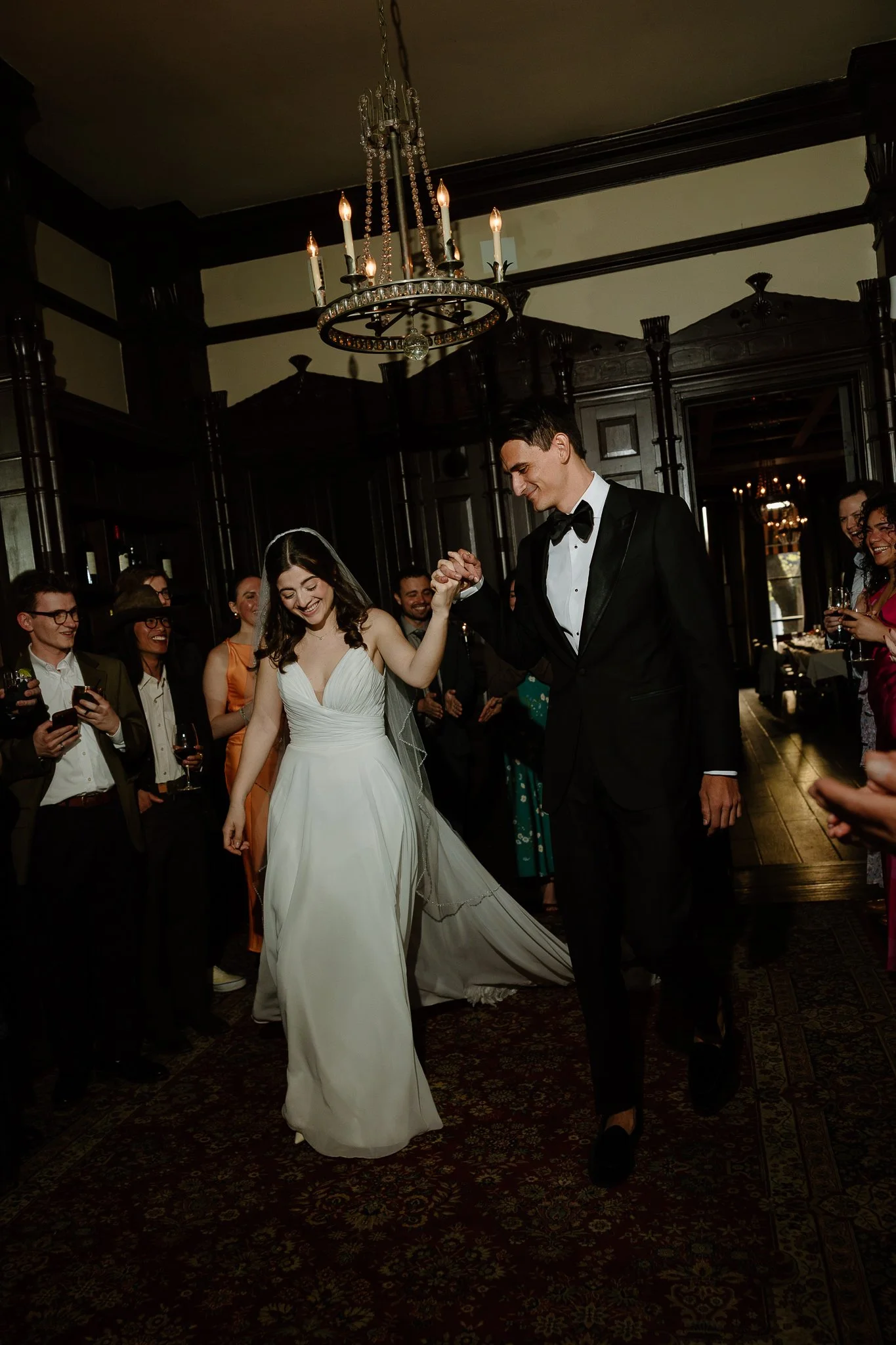
My goal isn't to stand out. It's to belong.
Choosing Your Officiant Is a Personal Decision
There are many different types of wedding officiants.
Some couples hire a professional wedding officiant. Others ask a close friend, a family member, or their own pastor or faith leader.
There is no single right choice for every couple.
Every wedding vendor plays an important role in bringing your celebration to life. Your photographer preserves the memories. Your planner keeps the day running smoothly. Your florist transforms the space. Your musicians create the soundtrack.
But your officiant is the only person who stands beside you as you actually become married.
That's a responsibility unlike any other.
Years later, couples may not remember every detail of their reception timeline, but they almost always remember how their ceremony made them feel.
They remember whether they laughed. They remember whether they cried.
They remember how they felt standing across from the person they couldn't wait to marry.
They remember the moment they realized, This is really happening.
That's why choosing your officiant is about so much more than finding someone who can legally perform your ceremony.
It's about choosing someone you trust to guide you through one of the most meaningful moments of your life.
The right officiant feels like someone who genuinely understands your story.
Someone who has taken the time to learn what matters most to you.
Someone who understands the atmosphere you hope to create and the people who helped shape your journey.
Someone who can confidently guide the ceremony while creating space for genuine emotion to unfold naturally.
Most importantly, someone who helps you feel comfortable enough to forget everyone else is watching and simply focus on one another.
After photographing hundreds of ceremonies and officiating hundreds more, I've noticed something.
Couples rarely talk about whether the ceremony was five minutes longer or shorter than planned.
They talk about how it made them feel.
They talk about the unexpected laugh that broke the nervousness.
The tears they didn't see coming.
The words that still echo in their hearts years later.
A genuine connection between a couple and their officiant can be felt throughout the ceremony.
It can be seen in the way the couple looks at one another.
It can be felt by every guest gathered to witness their promises.
And yes, it often finds its way into the photographs.
Because when you feel truly cared for by the person standing beside you, it's easier to lose yourself in the moment with the person standing in front of you.
Years from now, when you look back through your wedding photographs, you won't just remember what your ceremony looked like.
You'll remember exactly how it felt.
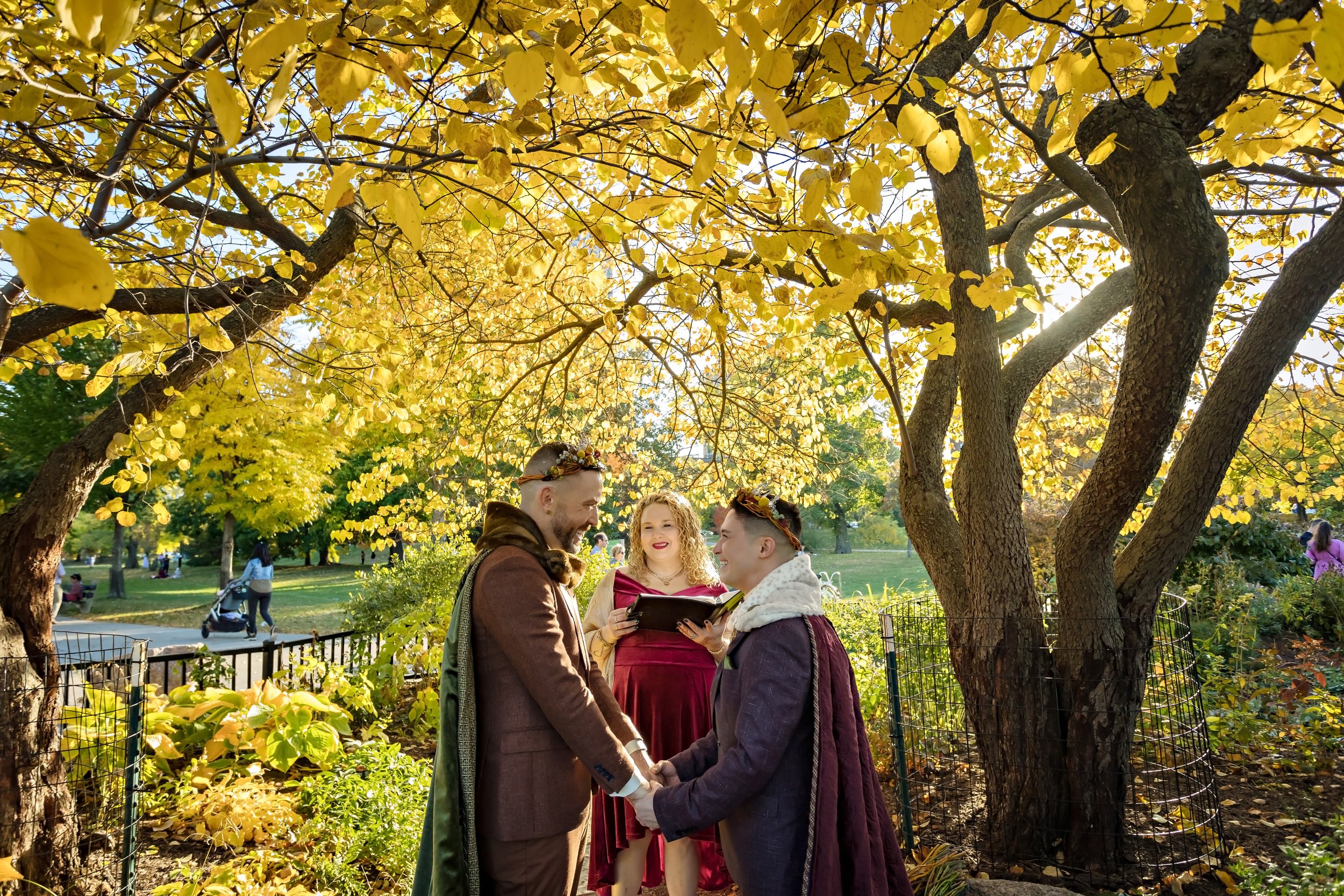
My hope is that your ceremony helps you remember exactly how it felt.
Photography Taught Me How to Preserve Memories. Officiating Allows Me to Help Create Them.
Looking back now, I realize I never really left photography behind. Instead, weddings found a new way to keep me exactly where I was meant to be.
I didn't leave those fifteen years behind the camera behind, either.
I brought every lesson with me. The attention to detail. The understanding of timing. The ability to notice the little things other people often overlook. The awareness of emotion, movement, light, and the quiet moments unfolding between them all.
Most of all, I brought a deep respect for the moment itself.
Over the years, I've come to believe something with my whole heart:Your wedding ceremony isn't simply the beginning of your wedding day.
It's the reason everyone has gathered.
It's where your favorite people witness the promises you'll carry with you for the rest of your lives.
It's where two individuals become partners in an entirely new way.
It's where your marriage begins.
My role isn't simply to stand at the front and speak.
It's to help create the space for all of that to happen.
To help you slow down.
To hear every word.
To look into one another's eyes.
To notice your parents smiling through tears.
To hear your guests laugh.
To feel the hand you're holding.
To be completely present as you promise forever.
Years from now, your photographs will remind you what your wedding looked like.
My hope is that your ceremony helps you remember exactly how it felt.
Because after all these years, that's what I've learned matters most.
Photography taught me how to preserve memories.
Officiating allows me to help create them.
And I can't imagine being anywhere else.
On the day you make it forever...make it incredible.
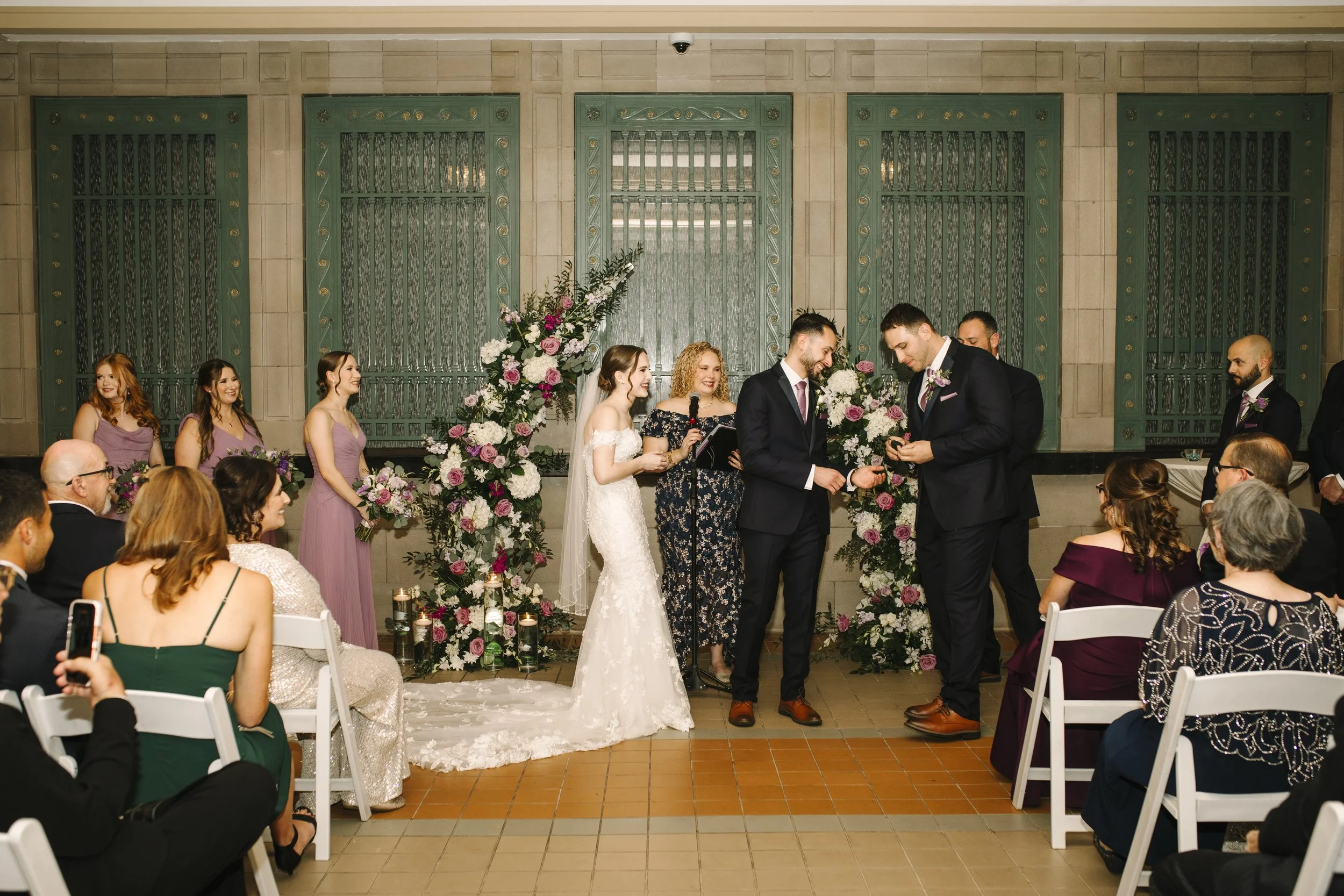
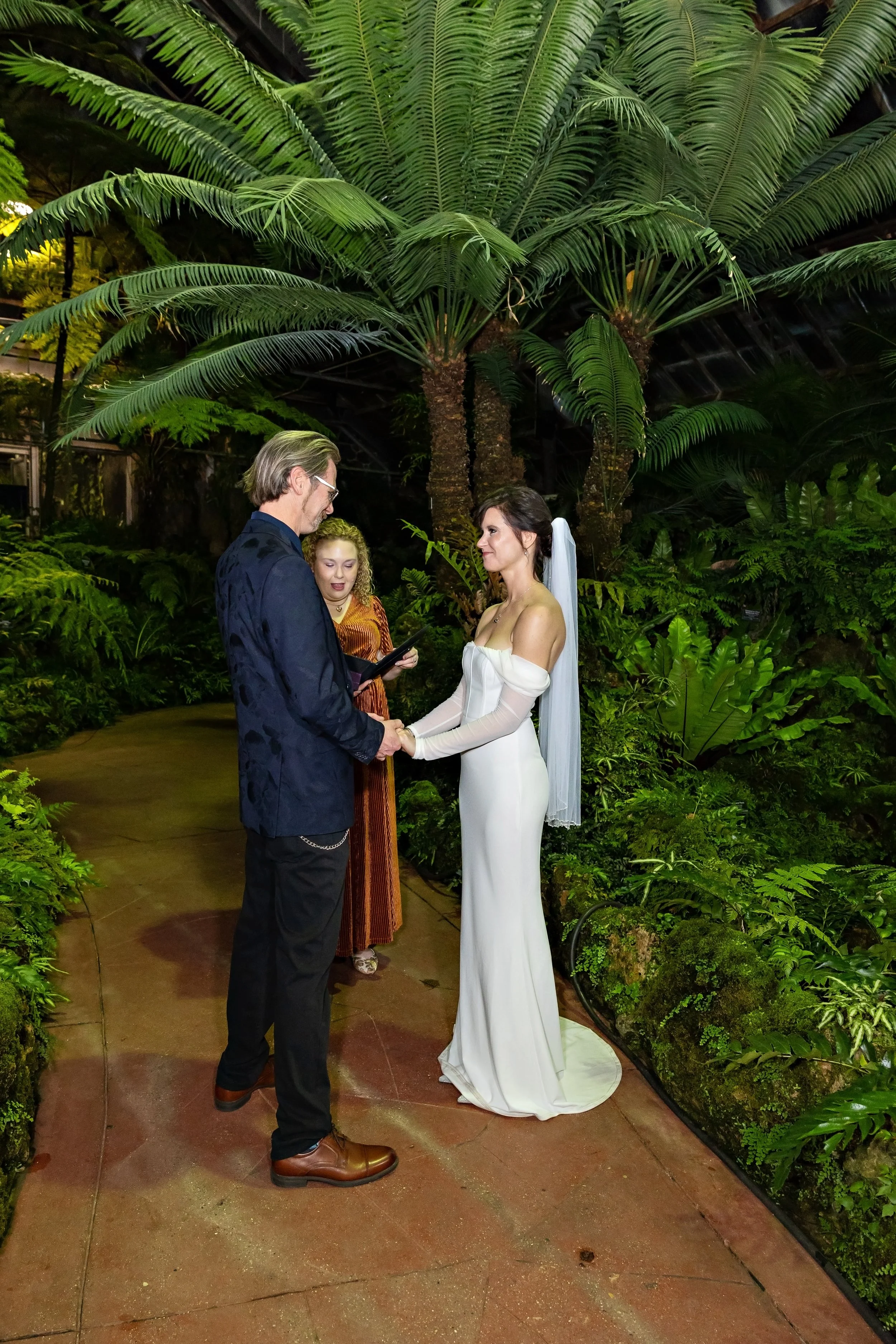
Photograph by the phenomenally talented Capture the Canvas
Why My Photography Background Matters
Couples often ask what makes my approach different from other officiants.
I believe it's because I spent fifteen years watching weddings before I ever stood at the altar.
As a professional wedding photographer, I learned how emotions unfold naturally, how family dynamics shape a ceremony, how photographers, planners, musicians, and officiants work together, and how quickly a wedding day passes.
Today, I bring those same lessons into every personalized wedding ceremony I create as a Chicago wedding officiant.
If this story resonated with you, I would be honored to help tell yours. Every ceremony I write is custom-created to reflect the people standing at the altar—not a template.
About the Author
Carla Doshi is the owner and lead officiant of Forever Incredible Ceremonies, a Chicago-based wedding officiant company creating custom wedding ceremonies, multicultural celebrations, intimate weddings, elopements, and unforgettable wedding experiences throughout Chicago and beyond.
Before becoming a full-time wedding officiant, Carla spent 15 years as a professional wedding photographer, documenting hundreds of weddings across Chicagoland, Florida's Gulf Coast, and destinations around the world. Today, she brings that unique perspective to every ceremony she creates, combining thoughtful storytelling, careful attention to detail, and a calm presence that helps couples truly experience one of the most meaningful moments of their wedding day.
Since becoming a full-time officiant in 2018, Carla has had the privilege of officiating hundreds of personalized wedding ceremonies, from intimate Chicago elopements overlooking the skyline to grand celebrations, multicultural weddings, and once-in-a-lifetime destination weddings. She believes every ceremony should reflect the couple's unique story, values, and vision—not a template.
Carla is an active member of both the Wedding Industry Professionals Association (WIPA) and the International Association of Professional Wedding Officiants (IAPWO), where she remains connected to industry best practices, continuing education, and a community of talented wedding professionals dedicated to creating exceptional experiences for couples.
Her philosophy is simple:
Your ceremony isn't simply the beginning of your wedding day. It's where your marriage begins.
When she's not writing ceremonies, Carla enjoys exploring Chicago with her husband, spending time with family, mentoring friends and family members through her Ceremony Writing & Coaching program, and advocating for the importance of meaningful, personalized wedding ceremonies.
She is also available for media interviews, podcast appearances, speaking engagements, and expert commentary on wedding ceremonies, officiating, and creating unforgettable wedding experiences.
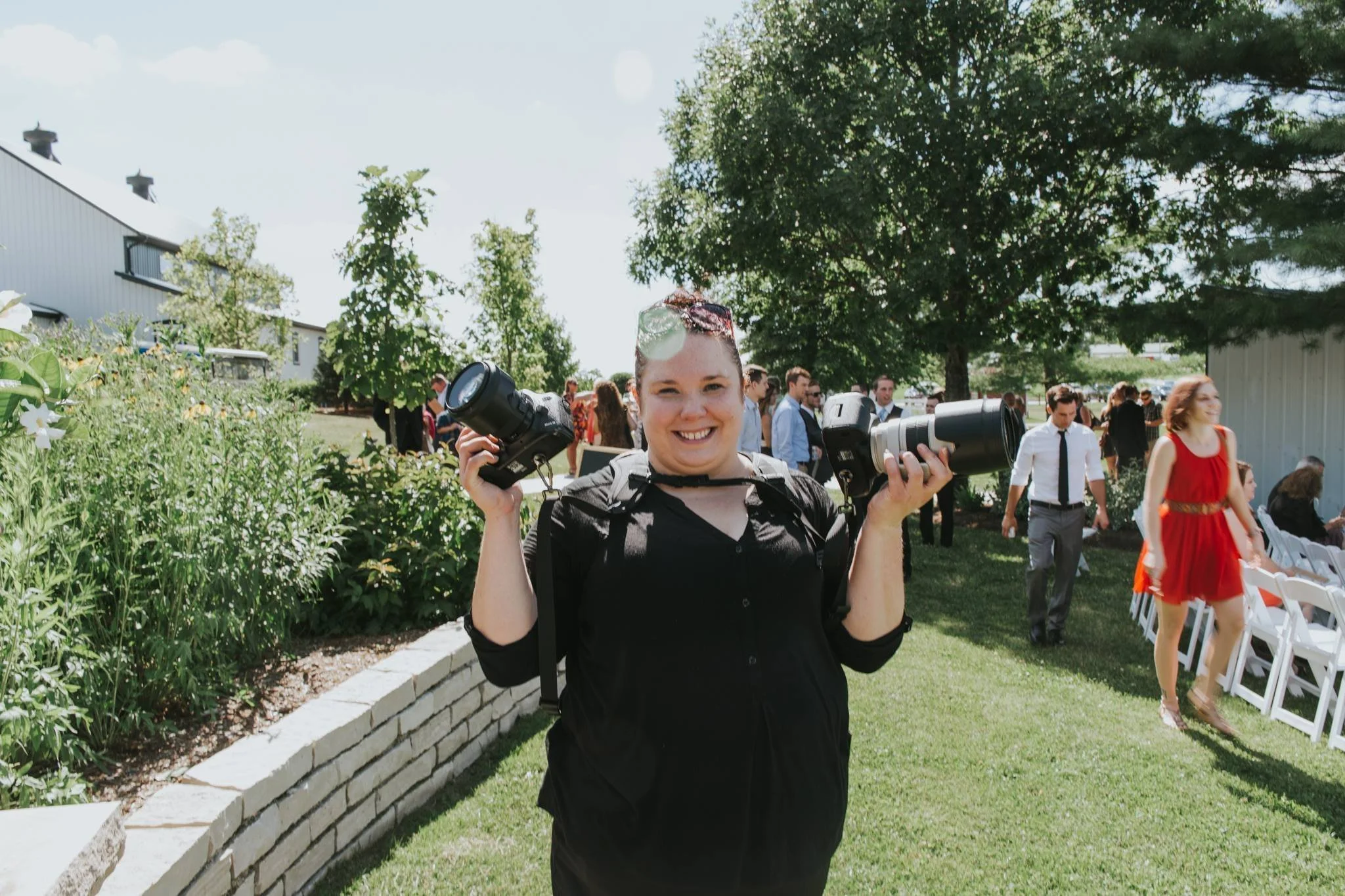
Pictured above:
Carla photographing a wedding in 2016 while second shooting with Sandra Armenteros Photography —a role that helped shape the officiant she is today.
